
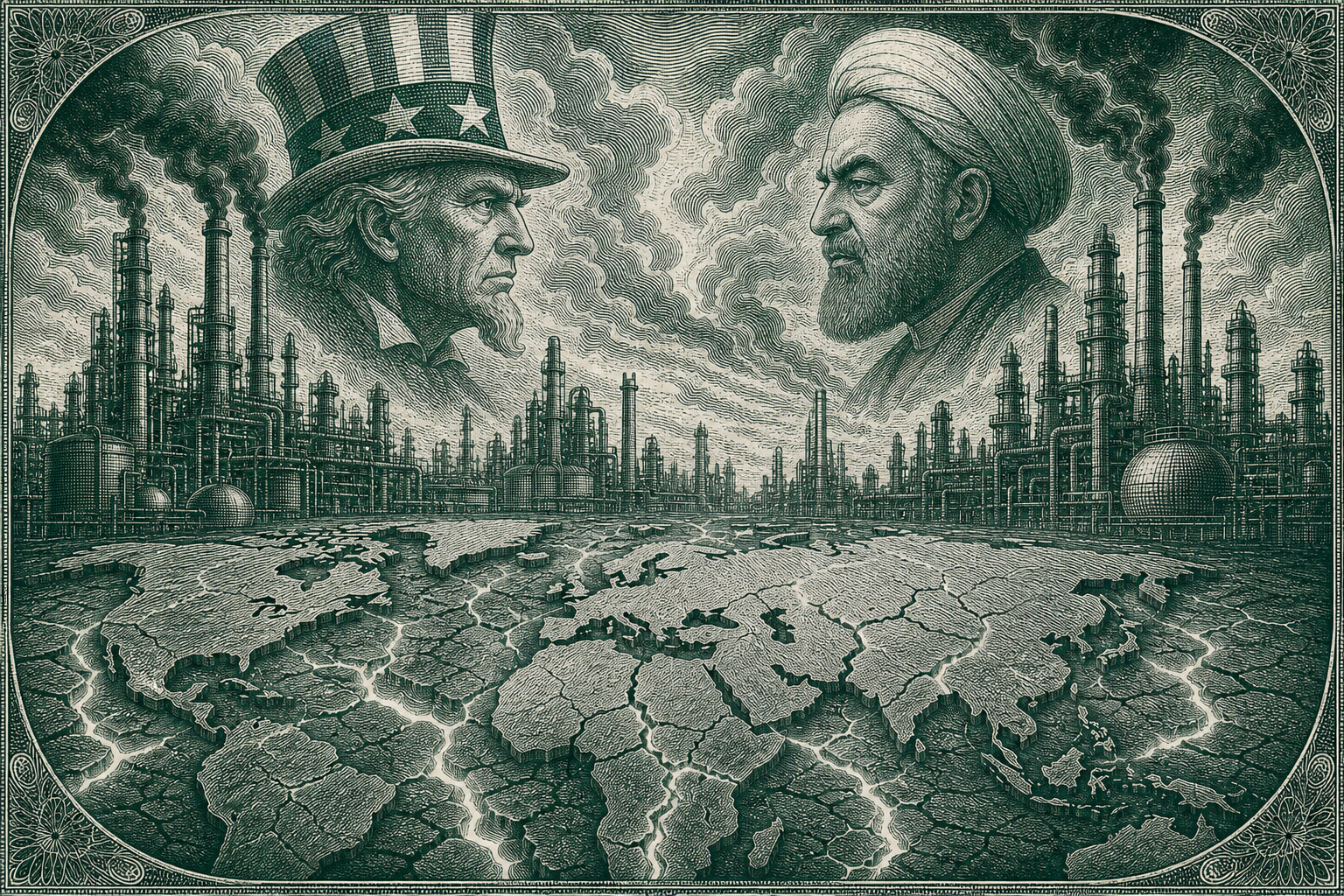
The recent escalation of tensions in the Strait of Hormuz has sent oil prices soaring, climbing over $1 per barrel. This spike, triggered by tanker attacks and geopolitical instability, underscores the market's sensitivity to events that threaten the flow of oil, a critical global commodity. As geopolitical risks rise, investors are left to navigate a volatile landscape that could reshape the energy sector.
The U.S. military's assertive posturing in response to the attacks, coupled with former President Trump's controversial remarks regarding gas prices, adds another layer of complexity to the situation. This environment of uncertainty is not just a headline; it has real implications for integrated oil majors like $XOM and $CVX, whose stock performance may be directly affected by these developments.
Geopolitical Risks and Oil Prices
With the Strait of Hormuz being a vital artery for global oil transport, any disruptions can lead to immediate price reactions. The recent incidents, including strikes on vessels linked to ADNOC, have slowed maritime traffic and heightened fears of further escalations. Historically, periods of military tension in this region have resulted in significant price swings in oil, and this time is no different. Investors should brace for continued volatility as the situation unfolds.
Impact on Integrated Oil Majors
The implications for major players like $XOM (ExxonMobil) and $CVX (Chevron) cannot be understated. As oil prices increase, these companies stand to benefit from improved margins; however, they are also exposed to the risks associated with geopolitical instability. The current environment may force these companies to reassess their strategies, particularly in terms of production and supply chain management.
Furthermore, the potential for increased military engagements could lead to operational disruptions, impacting their ability to deliver on production targets. Investors should consider these factors when evaluating their positions in integrated oil stocks.
Investor Strategies Amidst Volatility
As oil prices fluctuate due to geopolitical tensions, investors in energy stocks must adopt a nuanced approach. While the potential for short-term gains exists, long-term investment decisions should factor in the inherent risks of geopolitical instability. Diversification remains key; investors might consider balancing their portfolios with stocks from sectors less sensitive to oil price volatility.
Moreover, with rising mortgage rates linked to the conflict, as noted in a recent CNBC report, the broader economic implications warrant attention. High gas prices may strain consumer spending, which could ripple through various sectors of the economy. Therefore, staying informed about both energy markets and broader economic indicators is essential for making prudent investment choices.
Conclusion
In summary, the surge in oil prices amid the escalating US-Iran tensions highlights the fragility of the current geopolitical landscape. For investors, this situation presents both opportunities and risks. Understanding the underlying factors at play and adopting a strategic approach will be critical in navigating this tumultuous environment.