
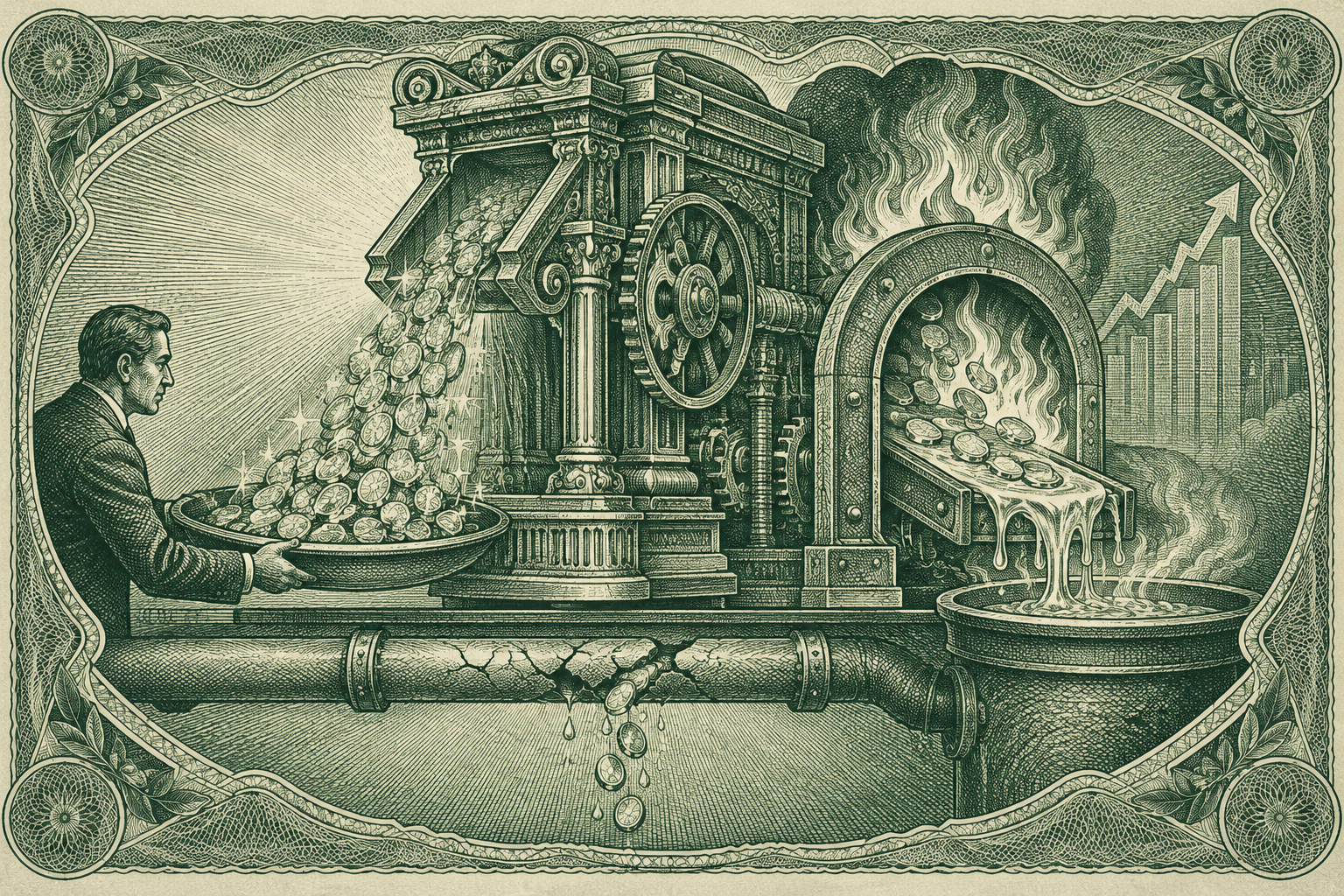
High-yield TSX-listed stocks are offering Canadian income investors an appealing headline: more cash today. But in an inflationary environment, that yield is only the opening line of the story. The more important question is whether a company’s cash flow can keep supporting its dividend when operating costs remain under pressure.
That tension runs across the Canadian market, from gold miners and energy producers to telecom companies and technology firms. Each sector may offer a different path to income, but none can treat distribution durability as an afterthought. A generous yield may attract attention; resilient cash generation is what could determine whether the payment remains dependable.
Yield is a signal, not a conclusion
High-yield TSX stocks are drawing attention as potential income opportunities for Canadian portfolios. For investors seeking regular distributions, the appeal is straightforward: current income can provide a visible component of total portfolio results while markets contend with continuing inflation risks.
Yet yield alone can be an unreliable narrator. A high distribution may reflect an attractive income stream, but it may also signal that investors are questioning the company’s ability to preserve that payment. The assignment here is not to dismiss high-yield stocks. It is to examine what stands behind the yield before treating it as durable.
That means shifting the focus from the size of the distribution to the cash flows that support it. If inflation raises expenses, companies may face less room between incoming cash and outgoing commitments. The resulting pressure could affect a business’s ability to maintain distributions, particularly if cost increases persist.
Four sectors, one central test
Gold miners, energy producers, telecom companies and technology firms do not operate in identical businesses. Still, the same investor-focused question applies across the group: can the company’s cash flow withstand ongoing inflation pressures while continuing to support its dividend?
For gold miners and energy producers, the income case may be viewed through the lens of operating cash flow and the costs required to produce and sell their output. Telecom companies and technology firms bring different business models to the discussion, but their distributions also depend on the cash left after the business meets its obligations and invests for the future.
This is where a cash-flow review becomes more revealing than a yield ranking. Investors may want to examine whether distributions appear supported by ongoing business cash generation, rather than assuming that a prominent yield automatically represents a stable income stream. The trade-off is clear: current income may be appealing, while persistent cost pressures could weaken a company’s ability to preserve that income.
What the index can—and cannot—tell investors
The S&P/TSX Canadian Dividend Aristocrats index provides a useful reference point for the broader dividend discussion. Its reported performance was 9.68% annually over three years and 11.35% over five years, according to the sources cited for this analysis.
Those figures may help explain why dividend-focused Canadian equities remain part of the conversation. They do not, however, establish that every high-yield TSX-listed stock can sustain its dividend. An index result describes the performance of the index over the stated periods; it does not guarantee that each company, sector or distribution will behave the same way.
For Canadian income portfolios, that distinction matters. Inflation keeps the spotlight on purchasing power, but the response cannot be reduced to chasing the largest yield. The sturdier framework is to weigh current income against the cash-flow capacity supporting it, while recognizing that sector conditions and company finances may differ.
The high-yield corner of the TSX therefore looks less like a vending machine for income and more like a stress test. The headline number may open the door, but cash-flow durability determines how long the conversation can continue. More detail on the income opportunity and inflation backdrop is available in the reported discussion of high-yield TSX stocks, alongside the broader dividend-aristocrat perspective from MaxDividends.
Bull/Bear Verdict
Bull Case: High-yield TSX-listed stocks may remain attractive for Canadian income portfolios, while the S&P/TSX Canadian Dividend Aristocrats index’s reported annualized performance of 9.68% over three years and 11.35% over five years suggests continued interest in dividend-focused equities.
Bear Case: Continuing inflation could pressure operating costs and weaken distribution durability, meaning the index’s past performance does not by itself show that every high-yield stock can maintain its dividend.