
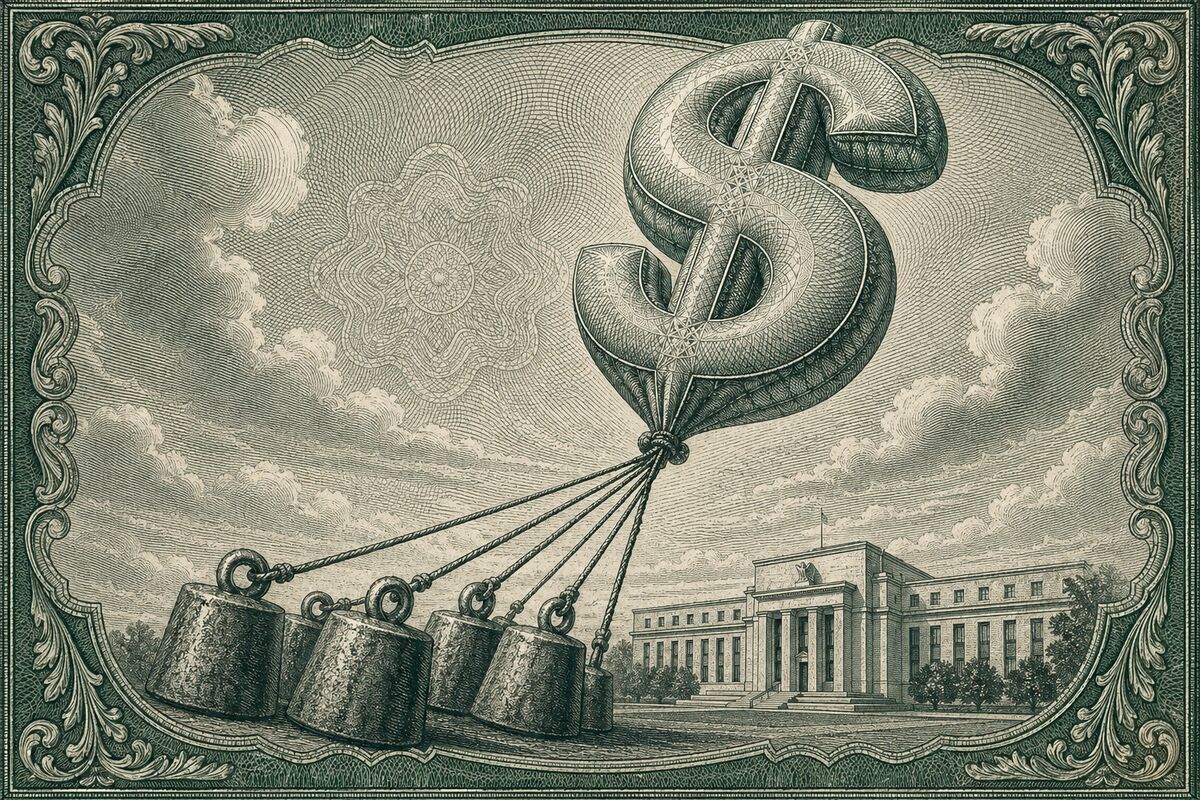
Brace yourselves, investors: the U.S. inflation rate has shot up to 3.30% in March, a marked increase from 2.40% in February. This surge is not merely a statistical anomaly; it suggests a seismic shift in economic conditions that could reverberate through the financial markets and the Federal Reserve's policy decisions.
Core inflation, which strips away volatile food and energy prices, also ticked upwards to 2.60%. These figures indicate persistent price pressures that are unlikely to dissipate without intervention. For those keeping an eye on the Fed, this could mean a recalibration of interest rates sooner rather than later.
The S&P 500, however, has shown remarkable resilience, currently sitting at 7,165 points. This marks an impressive 8.70% increase month-over-month and a staggering 29.68% year-over-year. The market's performance amidst inflationary concerns suggests a certain degree of investor confidence, even as they grapple with the implications of rising prices.
So, what does this mean for your investment strategy? The prospect of sustained inflation raises critical questions about interest rates and their effect on various sectors. As the Fed may pivot towards tightening monetary policy, interest rates could rise, impacting borrowing costs and potentially slowing economic growth.
Dividend-paying stocks may be among the first to feel the pinch. Higher interest rates typically lead to increased competition for income-generating investments, which could diminish the allure of stocks that are traditionally seen as safe havens. Defensive sectors like utilities or consumer staples, which generally perform well in inflationary environments, may also face headwinds as their valuations adjust to the new interest rate landscape.
Moreover, with the Fed's inflation nowcasting tools indicating an ongoing focus on price stability, it becomes increasingly crucial to monitor their moves. The Fed has traditionally acted cautiously when inflation rises, but with the current economic backdrop, a more aggressive stance could be on the horizon.
In conclusion, while the S&P 500's robust performance might suggest a bullish outlook, the underlying economic conditions call for caution. Investors must weigh their strategies against the backdrop of rising inflation, potential interest rate hikes, and shifting sector dynamics. The interplay between inflation and market sentiment will be pivotal in the coming months, and vigilance will be essential.
Bull/Bear Verdict
Bull Case: The S&P 500's impressive 29.68% year-over-year growth indicates strong investor confidence, suggesting that the market may withstand inflation pressures better than expected.
Bear Case: Rising inflation at 3.30% coupled with increasing core inflation at 2.60% may prompt the Fed to raise interest rates, potentially dampening stock valuations and investor sentiment.