
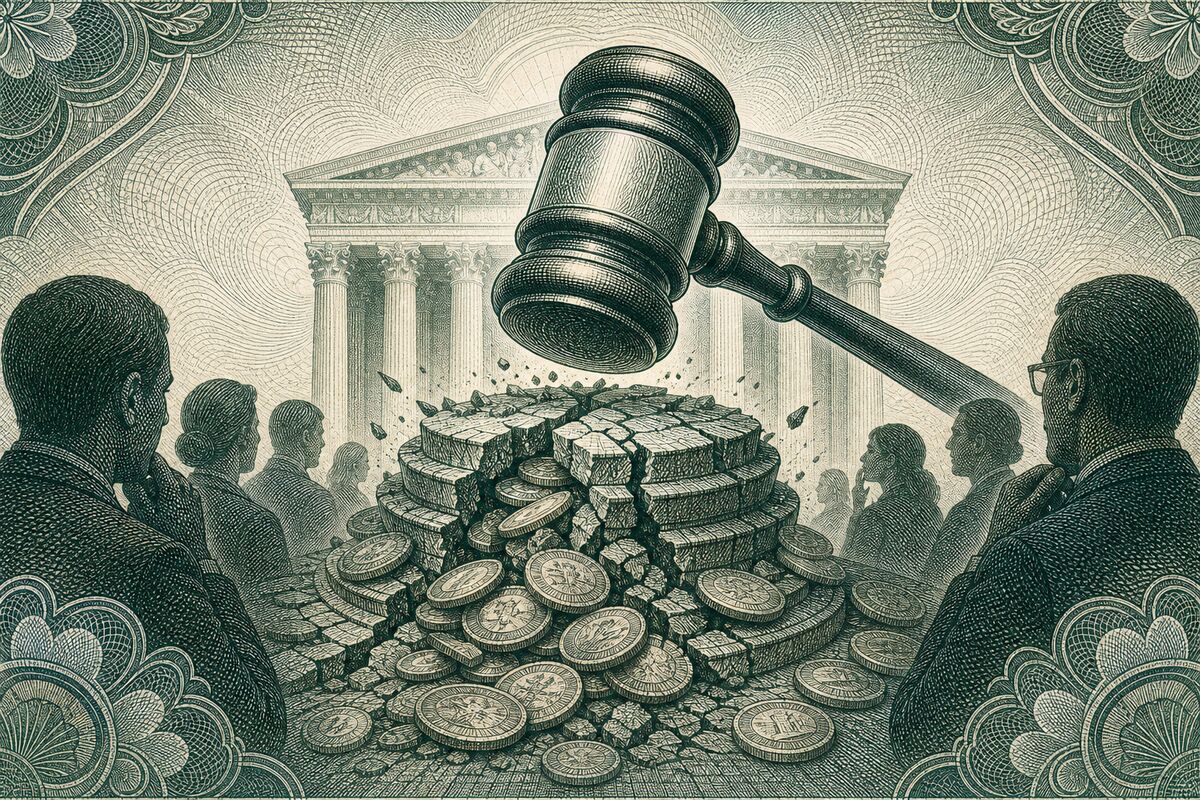
The recent ruling by the Supreme Court has sent ripples through the financial landscape, affirming the Securities and Exchange Commission's (SEC) authority to seek disgorgement in enforcement actions. This decision represents a significant tightening of regulatory oversight, which could have profound implications for investors and publicly traded companies alike.
Historically, the SEC's ability to reclaim ill-gotten gains has been a contentious topic. This ruling effectively enhances their capability to pursue individuals and entities that have profited from violations of securities laws. The implications of this are far-reaching, particularly in an environment where investor confidence can be fragile at best. The ruling suggests that the SEC is now better equipped to deter misconduct by ensuring that wrongdoers cannot simply walk away with profits gained through unethical practices.
For investors, this increased enforcement power could mean a more stable market environment. The potential for the SEC to reclaim ill-gotten gains may lead to greater accountability among companies, encouraging a culture of compliance that could ultimately protect investor interests. However, it also raises questions about the broader implications for businesses operating within the financial markets.
Publicly traded companies must now reassess their compliance programs in light of this ruling. The increased regulatory scrutiny means that companies may need to invest more heavily in compliance measures to avoid the risk of hefty disgorgement penalties. This could lead to a shift in how firms allocate resources, prioritizing compliance and governance initiatives over other operational expenditures. Companies that fail to adapt may find themselves facing not only financial penalties but also reputational damage, which can be significantly more damaging in today’s interconnected markets.
The ruling also underscores a broader trend towards increased regulatory vigilance in the financial sector. As markets evolve and new challenges arise, regulators are likely to adopt a more aggressive stance in enforcing compliance. This could lead to a more stringent regulatory environment, which may foster a sense of caution among investors, particularly those in sectors that have historically been under scrutiny.
In conclusion, the Supreme Court's decision to uphold the SEC's authority to seek disgorgement marks a pivotal moment in financial regulation. Investors should remain vigilant as the landscape shifts, and companies must act decisively to enhance their compliance frameworks. The intersection of regulatory authority and market dynamics will undoubtedly shape the future of investment strategies and corporate governance.
For further details, you can read the full article here.