
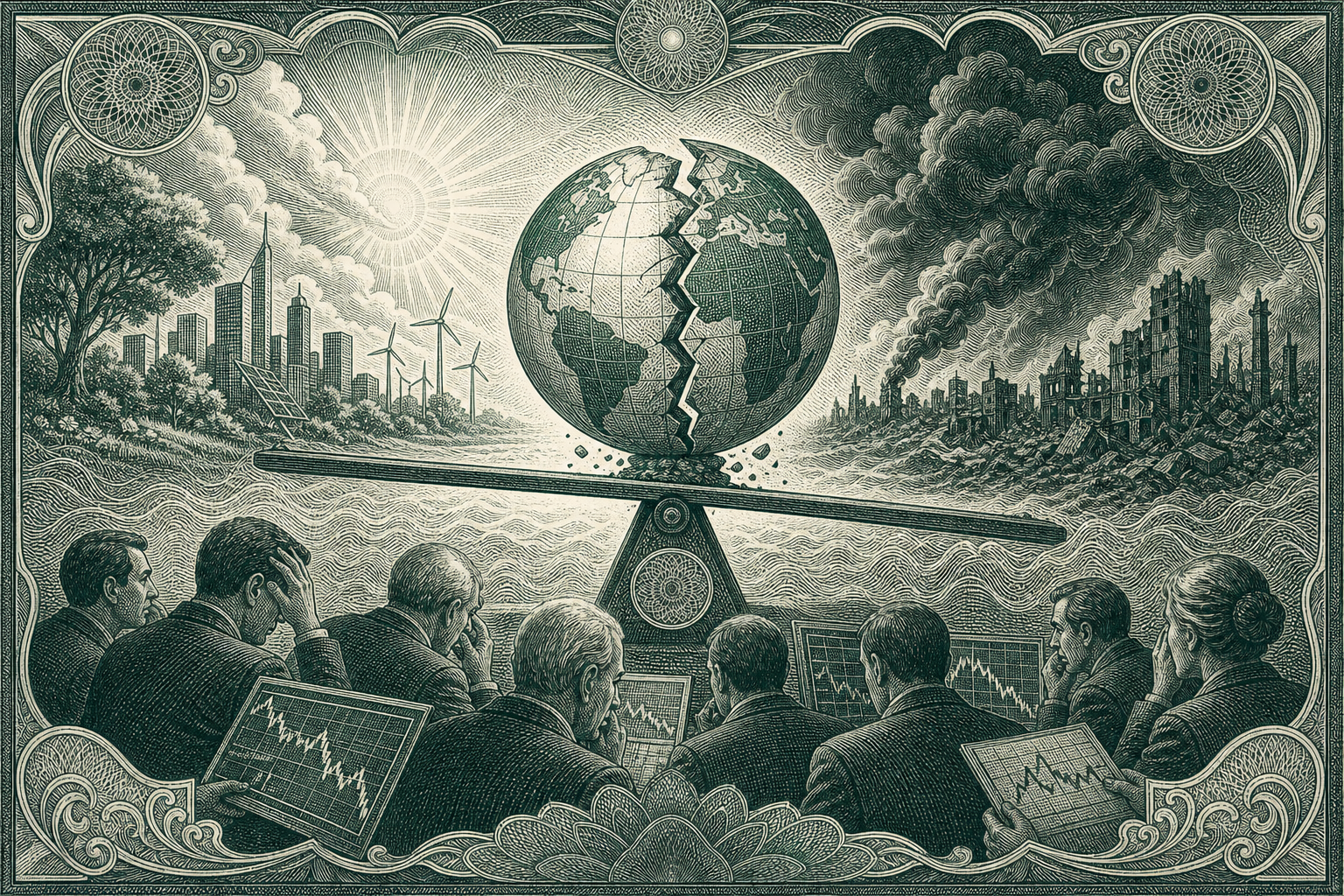
Wall Street has spoken: fading optimism over US-Iran relations has sent stocks tumbling, and the implications for investors are anything but benign. As the US-Iran peace talks falter, the potential for increased tensions has rattled markets, underscoring the fragility of geopolitical stability and its direct correlation to oil prices and currency valuations.
The Iranian security council's directive to keep the Hormuz Strait closed unless the US meets its conditions has exacerbated fears of disrupted oil supplies. With shipping traffic through Hormuz dipping to a one-week low, investors are rightly concerned about the ripple effects on global oil markets. The situation escalated further following recent attacks on vessels in the region, which have contributed to a rise in oil prices.
The Impact on Wall Street and Oil Prices
As these events unfolded, Wall Street closed lower, reflecting the market's anxieties surrounding energy security. The $SPY ETF, a barometer of the broader market, felt the weight of these geopolitical tensions, leading to a notable downturn in investor sentiment. The immediate reaction was a flight to safety, with investors seeking refuge in more stable assets as the specter of conflict looms over vital shipping lanes.
The correlation between the Hormuz Strait's status and oil prices is undeniable. With the Strait facilitating a significant portion of the world's oil transit, any threat to its security can lead to sharp increases in crude oil prices. Indeed, as tensions rise, so too do prices at the pump, reflecting the market's response to potential supply disruptions.
The Canadian Dollar's Rise
In a noteworthy twist, the Canadian dollar has strengthened, hitting a two-month high as it mirrors the upward trajectory of oil prices. The relationship between Canada’s economy—heavily reliant on oil exports—and global oil prices has always been intricate. As oil prices rise due to concerns over supply from the Middle East, so does the value of the Canadian dollar. This dynamic serves as a reminder of how intertwined global markets have become and how investors must remain vigilant.
While the strength of the Canadian dollar may provide some cushion for Canadian investors, the potential for sustained volatility in oil prices remains a pressing concern. Investors should consider the dual-edged nature of this situation: while rising oil prices may benefit Canada, they could simultaneously hinder global economic growth if tensions escalate further.
The fading hopes for US-Iran peace negotiations signal a critical moment for investors. The ability to navigate these turbulent waters will require a keen understanding of geopolitical developments and their impact on commodity prices and currency valuations.
In conclusion, the current landscape presents both challenges and opportunities. Investors are urged to stay informed and agile as the situation unfolds, recognizing that the interplay between geopolitics and market dynamics will shape their strategies moving forward. The final outcome is yet to be determined, but one thing is clear: volatility is here to stay.
Read more