
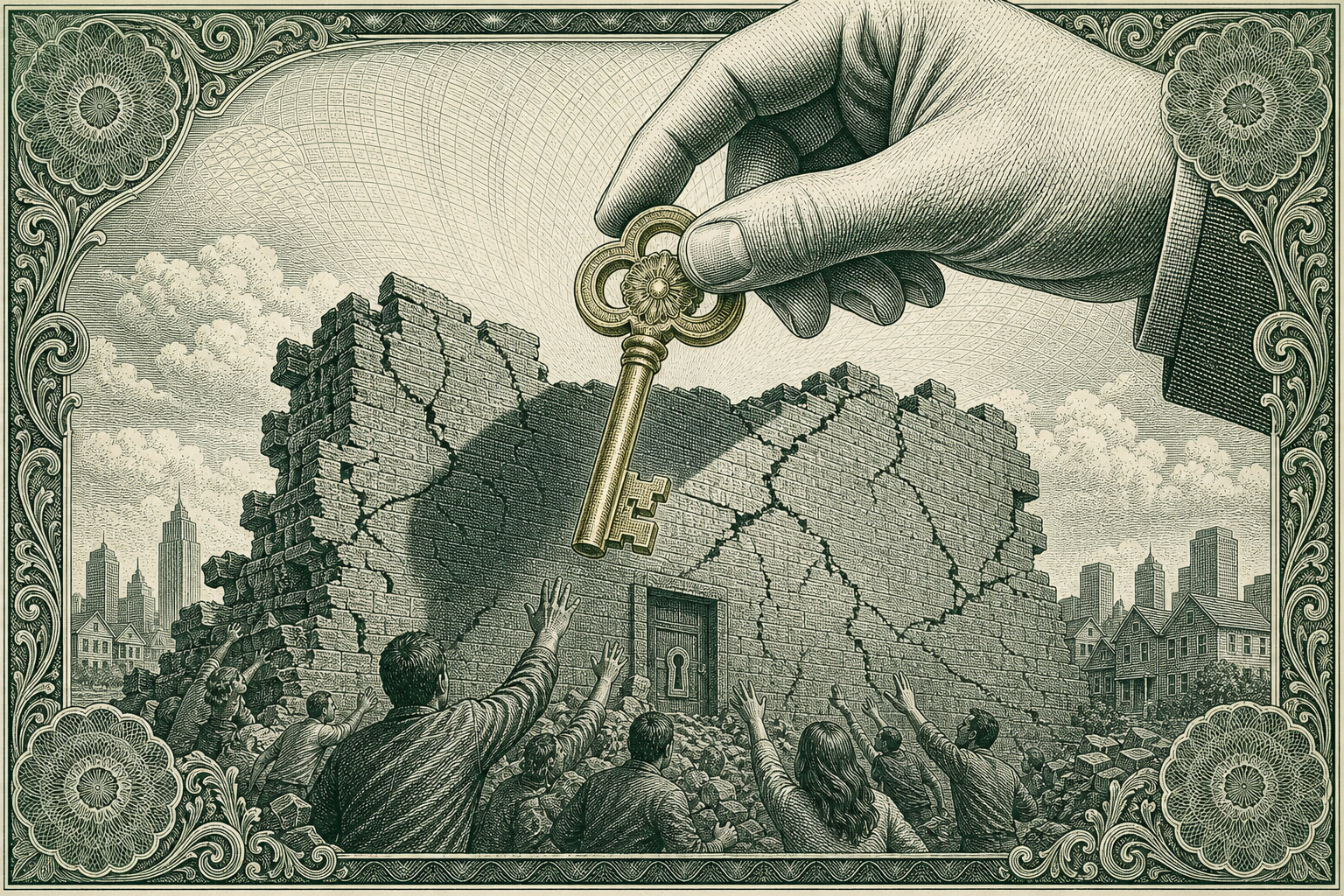
The housing market is feeling the squeeze as the 30-year mortgage rate climbs to 6.58%, the highest level we've seen since August 2025. This surge in borrowing costs is not just a number on a screen; it reverberates through the very fabric of the economy, impacting everything from homebuyers' budgets to the Federal Reserve's rate-cut ambitions.
As home loan rates reach these multi-month highs, the implications for housing affordability are profound. With initial jobless claims dropping to 187,000—significantly better than the 212,000 that analysts had anticipated—it's clear that while the labor market appears resilient, the rising cost of mortgages could put a damper on the purchasing power of potential homebuyers. The tug-of-war between a tightening labor market and escalating inflation adds layers of complexity to an already challenging housing landscape.
The Rising Tide of Mortgage Rates
According to data from Freddie Mac published on July 23, the increase in the 30-year mortgage rate is a stark reminder of how sensitive the housing market is to economic shifts. As rates inch up, many prospective buyers may find themselves priced out of the market, leading to reduced demand for homes and potentially stalling the recovery in housing prices.
The Labor Market's Resilience
However, it's not all doom and gloom. The drop in initial jobless claims to 187,000 suggests that the job market remains robust, which is crucial for consumer confidence. When people feel secure in their jobs, they are more likely to consider making significant purchases, such as homes. Yet, the rising mortgage rates could dampen this optimism, leading to a cautious approach among potential buyers.
Inflation's Role
The backdrop of rising inflation further complicates matters. With the Consumer Price Index (CPI) reported at 4.2%, the Federal Reserve faces a tightrope walk. The increase in mortgage rates complicates the Fed's agenda for rate cuts designed to stimulate economic growth. If borrowing costs continue to rise, the central bank may need to reconsider its strategies, which could have cascading effects throughout the financial markets.
Sector-Wide Implications
The ramifications of these rising mortgage rates extend beyond just the housing sector. As affordability wanes, we could see a slowdown in related industries—construction, home improvement, and even retail—all of which rely heavily on consumer spending. A cooling housing market could also impact local economies, particularly in regions where real estate is a significant driver of growth.
A Cautious Path Forward
In summary, the housing market is navigating turbulent waters as it grapples with a rise in 30-year mortgage rates. While the labor market's resilience is a silver lining, the implications for housing affordability are concerning. As we look forward, all eyes will be on the Federal Reserve and its next moves, as the central bank's decisions could either alleviate or exacerbate the challenges faced by everyday Americans looking to buy a home.
For further details, you can read more here.