
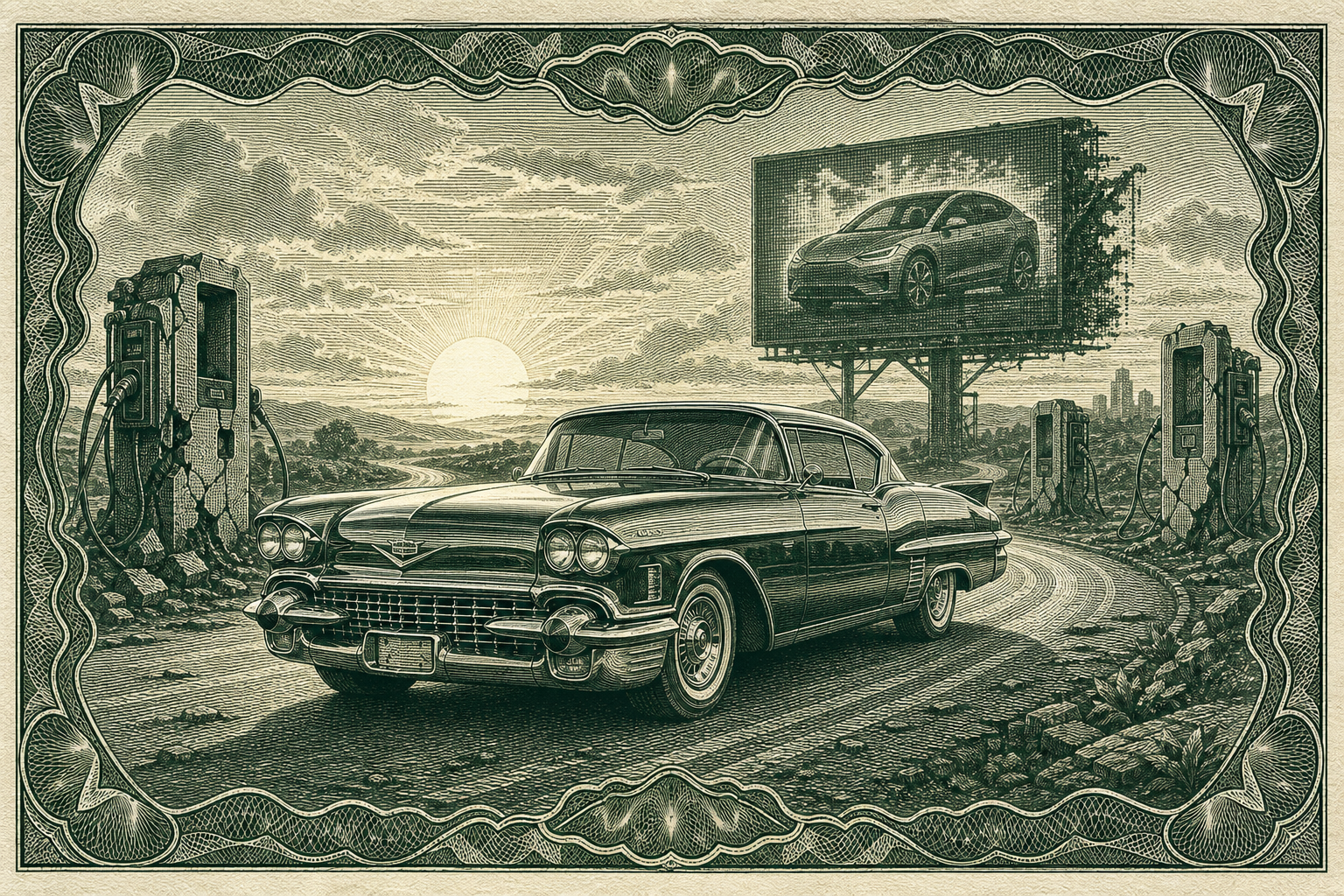
In a surprising turn of events, General Motors (GM) is recalibrating its strategy by reintroducing gas-powered models to its Cadillac lineup. This decision, which includes the CT5, XT5, and a revived XT6, marks a significant retreat from the automaker's previously ambitious push into the electric vehicle (EV) market.
GM's CEO Mary Barra has articulated the need for this shift, citing weak consumer demand for electric vehicles as a driving factor behind the change. This pivot not only raises questions about GM's long-term investments in electric vehicles but also suggests a potential impact on the company's revenue and market positioning moving forward.
The Return of Gas-Powered Cadillacs
The introduction of gas-powered Cadillacs is emblematic of broader changes within the automotive industry, where consumer preferences are evolving. The CT5 and XT5, along with the revival of the XT6, represent GM's efforts to attract buyers who may be hesitant about fully committing to electric vehicles.
This announcement comes amidst a backdrop of declining sales in the EV segment, where many manufacturers are grappling with similar challenges. GM's decision to return to traditional powertrains could be seen as a pragmatic response to market realities.
Impact on Revenue and Market Positioning
Analysts are now questioning how this strategic shift will affect GM's bottom line. The company has invested heavily in electric vehicle technology and infrastructure, and this backtrack raises concerns about the viability of those investments. The pullback from EVs could lead to a reevaluation of GM's market positioning, especially as competitors continue to push forward with their electric initiatives.
Moreover, the potential impact on revenue cannot be overstated. With the reintroduction of gas-powered vehicles, GM may be looking to stabilize its income in the short term while navigating the uncertainties of a rapidly changing automotive landscape. However, this could also signal a more significant retreat from the future-focused strategies that investors had previously anticipated.
Long-Term Implications for Electric Vehicle Investments
As GM shifts its focus back to gas-powered vehicles, the long-term implications for its electric vehicle investments remain to be seen. Investors may need to carefully assess how this decision aligns with GM's broader vision for sustainability and innovation. The balance between meeting current consumer preferences and maintaining a commitment to future technologies will be crucial for GM's ongoing strategy.
In conclusion, GM's return to gas-powered Cadillacs amidst a challenging EV market may provide short-term relief but raises critical questions about the company's strategic direction. As the automotive landscape continues to evolve, GM's ability to adapt to changing consumer demands will be essential for its long-term success.
For more details on GM's strategic shift, visit CNBC.