
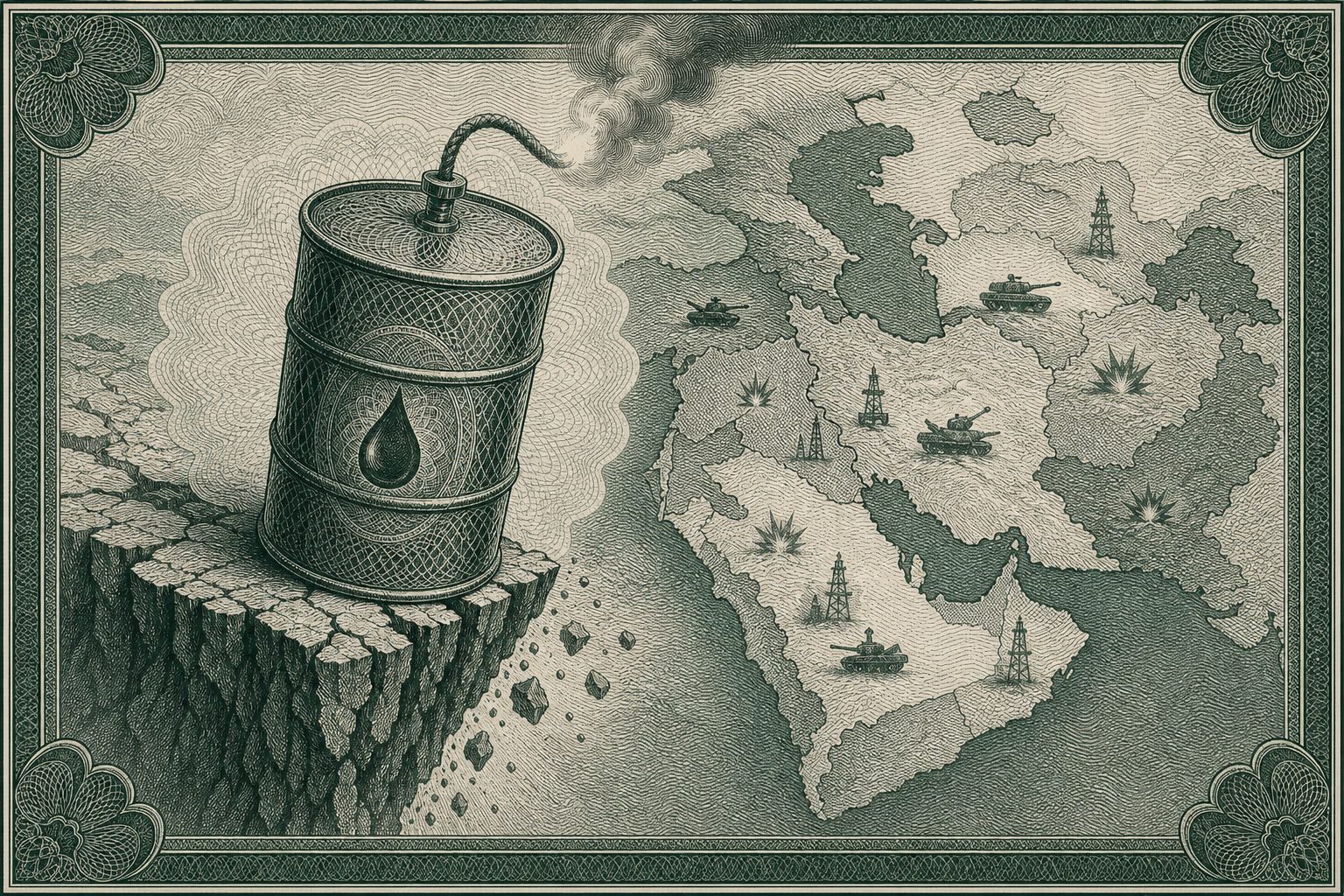
The recent geopolitical tensions have sent ripples through the global oil market, culminating in a notable 2% increase in oil prices. This surge is particularly significant for investors as it raises questions about inflation, market stability, and the performance of key players in the energy sector such as Exxon Mobil ($XOM) and Chevron ($CVX).
As the U.S.-Iran standoff escalates, concerns grow over potential supply disruptions, especially through critical shipping routes like the Strait of Hormuz. This body of water is a vital artery for global oil transport, and reports indicate that traffic has dwindled to just six vessels, further exacerbating market anxieties. Investors should carefully assess how these developments could impact the broader North American markets and inflation outlook.
The Impact of Rising Oil Prices
The recent 2% hike in oil prices can be traced back to ongoing tensions between the U.S. and Iran, which have historically influenced oil supply and pricing dynamics. As tensions rise, so do concerns about potential disruptions to oil supply, which can lead to higher prices at the pump and increased inflationary pressures.
For energy stocks like $XOM and $CVX, this increase in oil prices could signal a positive trend. Higher oil prices typically translate to improved revenues for these companies, as their profitability rises with each dollar increase in crude prices. However, the question remains: how sustainable is this increase?
Market Reactions and Implications
The broader market response has been somewhat negative, with Wall Street closing down as hopes for a resolution in the Hormuz situation faded. This reaction underscores the interconnectedness of geopolitical events and market performance. Higher oil prices not only affect the energy sector but can also ripple through the economy, impacting everything from transportation costs to consumer prices.
Moreover, as oil prices climb, the outlook for inflation could become more concerning. The relationship between rising oil prices and inflationary pressures is well-established, suggesting that sustained increases in oil prices could lead to higher overall inflation rates. This scenario could prompt central banks to reconsider their monetary policies, potentially leading to interest rate adjustments that could further affect market dynamics.
Investor Positioning in a Turbulent Environment
Given these developments, investors may need to reevaluate their positions in the energy sector and beyond. Here are a few considerations:
- Diversification: Investors might consider diversifying their portfolios to mitigate risks associated with rising oil prices and inflation.
- Energy Stocks: Companies like $XOM and $CVX may present buying opportunities, especially if oil prices remain elevated.
- Monitoring Geopolitical Risks: Keeping an eye on the U.S.-Iran situation and other geopolitical events is crucial, as these factors can significantly impact oil prices and market stability.
In summary, the recent increase in oil prices serves as a reminder of the intricate relationship between geopolitical tensions and market dynamics. Investors should remain vigilant as these developments unfold, carefully considering how to position themselves in a potentially tumultuous economic environment. For more insights, you can read the detailed reports on these events here.