
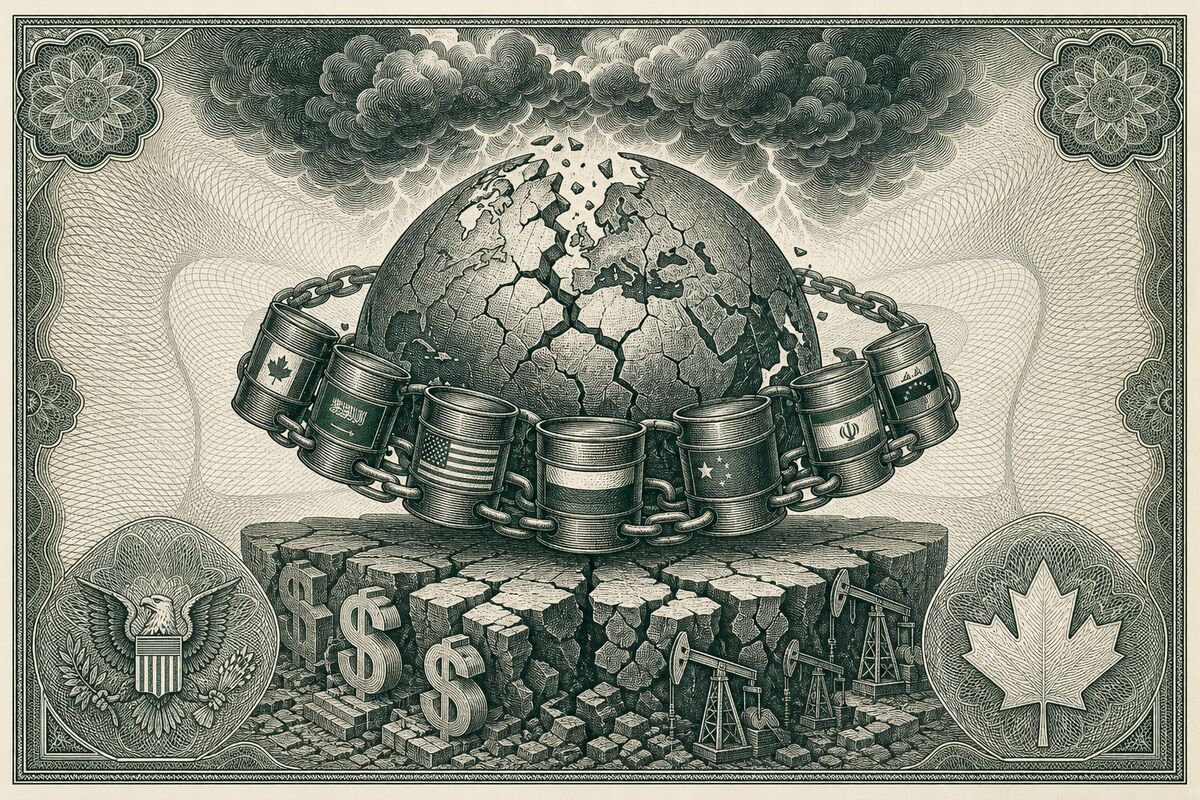
As geopolitical tensions escalate, Brent crude oil has surged past the critical $100 per barrel mark. This significant increase is largely attributed to direct military exchanges between the US and Iran, particularly affecting shipping in the Persian Gulf and Iraqi waters. Such developments not only heighten concerns over energy security but also signal potential shifts in both inflation rates and stock market dynamics.
CNBC's Jim Cramer highlighted the implications of this surge, noting that $100 oil represents a considerable headwind for equity markets. The interplay between oil prices and inflation could reshape investor sentiment and strategies across various sectors.
Oil Prices and Market Dynamics
The recent price movement in Brent crude reflects a broader trend influenced by geopolitical uncertainties. Reports confirm that Brent crude oil has maintained levels above $100 as of September 9, 2026. The ongoing military tensions are likely to keep these prices elevated, which could have direct consequences for inflation across the US and Canadian markets.
Inflationary Pressures
Rising oil prices traditionally correlate with increased inflationary pressures. Higher energy costs can lead to elevated prices for goods and services, impacting consumer spending and overall economic growth. As noted by Cramer, the $100 per barrel mark might prompt the Federal Reserve to reconsider its monetary policy stance, potentially leading to a rate hike to combat inflation.
Sector Implications
While rising oil prices pose challenges, there are potential benefits for energy sector equities on the NYSE and TSX. Major players such as Chevron ($CVX) and ExxonMobil ($XOM) may see increased revenues as oil prices remain high. These companies tend to thrive in environments where oil prices are robust, suggesting a possible upside for their stock valuations.
- Chevron ($CVX): Potential revenue growth driven by higher oil prices.
- ExxonMobil ($XOM): Opportunities for enhanced profitability as oil prices rise.
Furthermore, ETFs such as the United States Oil Fund ($USO) and the Energy Select Sector SPDR Fund ($XLE) could also see increased investor interest as they track the performance of oil and gas equities. Elevated oil prices often drive investments into these funds as traders look to capitalize on shifting market conditions.
Conclusion
The current geopolitical landscape, marked by US-Iran tensions, is significantly influencing oil prices, which have crossed the $100 threshold. This development raises critical questions about inflation and its implications for broader equity markets. Investors should monitor these changes closely, as the potential for a Federal Reserve rate hike looms with rising oil prices.
As always, the interplay between geopolitical events and market dynamics suggests a cautious approach, particularly for those involved in sectors sensitive to energy prices.
For a deeper dive into the technical analysis behind these movements, visit Investing Live.