
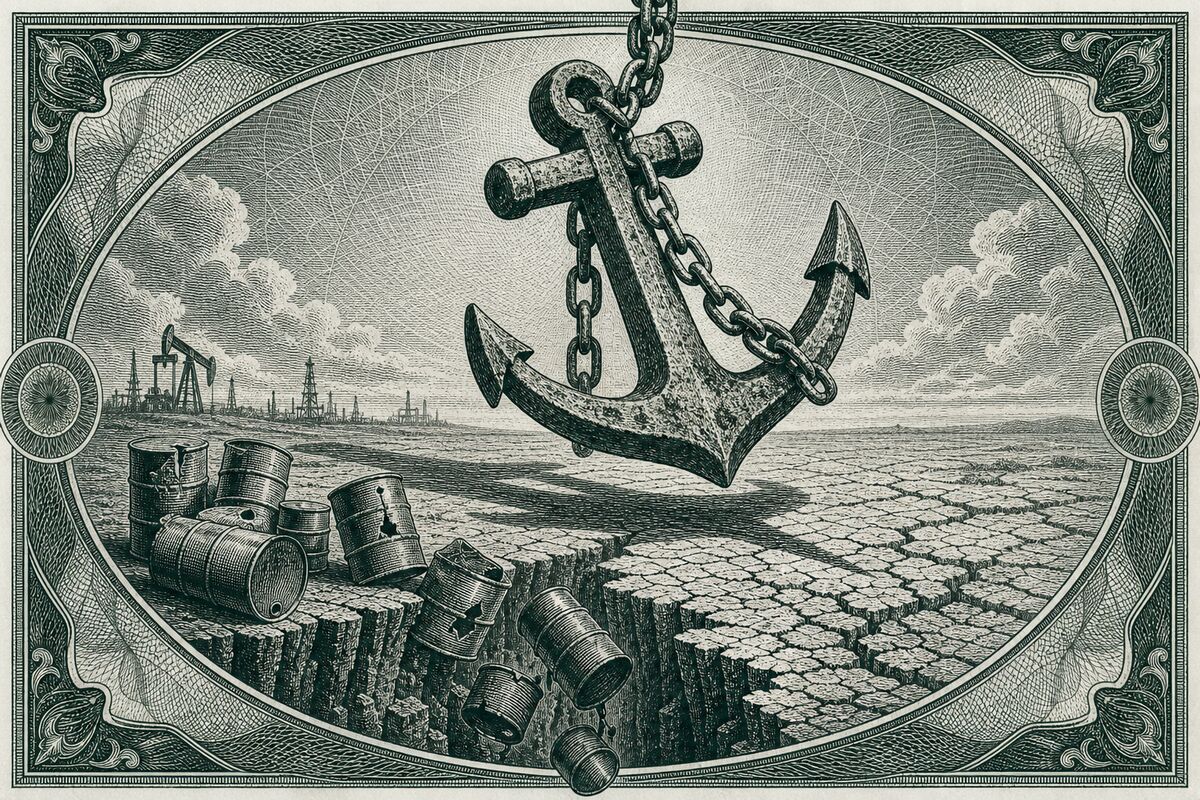
The U.S. Navy's blockade of Iran is not merely a geopolitical maneuver; it is a declaration of economic warfare that stands to shake the very foundations of global energy markets. As Iranian oil exports dwindle under the weight of stringent sanctions, the ripple effects are felt far beyond the Middle East, casting shadows over inflation dynamics and consumer sentiment in both the United States and Canada.
This blockade arrives at a precarious moment when inflation is already a pressing concern for policymakers. With U.S. inflation hovering at 3.40% as of July, the implications of rising energy prices are profound. The economic landscape is shifting, and it is crucial to dissect what this means for consumers and producers alike.
Global Energy Prices in Flux
The U.S. Navy's actions have resulted in a significant reduction of Iranian oil exports, further tightening an already constrained supply. This situation is poised to exert upward pressure on global oil prices, which are already on a precarious trajectory. According to reports, oil markets were on track for a weekly loss, yet the simmering tensions in Iran could turn this trend on its head as traders brace for potential disruptions.
Inflationary Pressure Mounting
Inflation fears are exacerbated by these developments, particularly in the context of rising crude prices. The potential for increased energy costs could translate directly into higher prices at the pump for consumers. As refiners grapple with elevated costs, there is a growing concern that these expenses will be passed through to the end consumer, further straining household budgets.
The specter of inflation looms large as the Federal Reserve grapples with the dual challenge of maintaining economic stability while managing price pressures. Recent meetings at Jackson Hole have underscored the urgency of these issues, with Fed Chair Warsh emphasizing the delicate balance required in the current environment. The heightened geopolitical risks surrounding Iran only add to the complexity of the Fed's decision-making process.
Canadian Producers: A Silver Lining?
While U.S. refiners may face challenges, Canadian energy producers could find themselves in a favorable position amidst this turmoil. With the prospect of rising crude prices, Canadian oil companies may see increased demand for their products as global markets tighten. This could lead to improved margins and profitability for Canadian producers, positioning them as beneficiaries of a complex situation.
The dynamics at play serve as a reminder of the interconnectedness of global energy markets. As Canada looks to bolster its energy exports, the current geopolitical landscape may provide an unexpected tailwind for its producers. However, this silver lining must be weighed against the broader implications of a potential energy crisis and its impact on the North American economy.
A Cautious Outlook
As the situation unfolds, market participants must remain vigilant. The potential for prolonged geopolitical tensions could catalyze further volatility in energy markets, creating an environment rife with uncertainty. The interplay between supply disruptions, inflationary pressures, and consumer spending will be critical to monitor in the coming months.
In conclusion, the U.S. Navy's blockade of Iran is a significant turning point in energy markets, with implications that extend well beyond the immediate region. The relationship between geopolitical events and economic outcomes is complex, and as we watch these developments, it is essential to remain cognizant of the potential for volatility in both U.S. and Canadian markets.
For a more detailed exploration of this issue, you can read further on CNBC.