
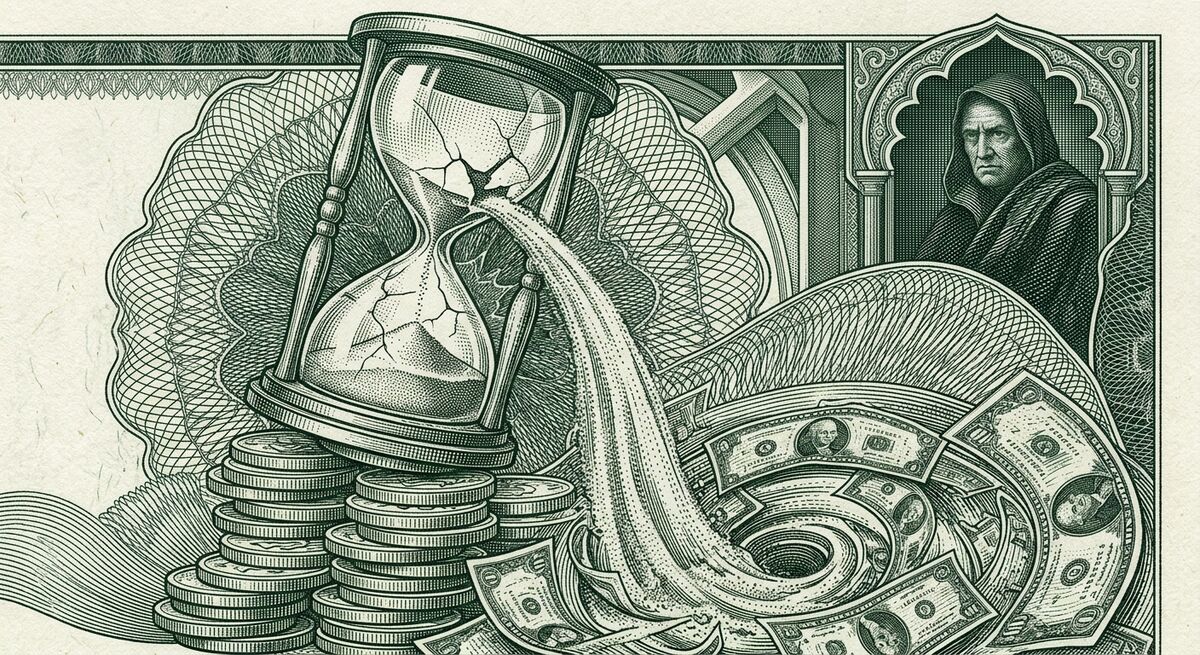
Brace yourselves—US inflation has surged to 3.30% in March 2026, a significant leap from February's 2.40%. This stark increase raises critical questions about the Federal Reserve's next steps and the broader implications for various market sectors.
In an environment where inflation is heating up, Citi has sounded the alarm, cautioning that the US economy may be 'overheating'. This isn’t just a passing trend; it suggests a potential pivot point for investors. With cyclical stocks expected to perform well in most scenarios, defensive stocks may find a resurgence when growth falters but inflation remains rampant.
The implications for the Federal Reserve are undeniable. As they monitor this inflation data closely, especially amidst ongoing geopolitical tensions, the stakes are high. The Cleveland Fed’s daily inflation 'nowcasts' provide a real-time assessment, allowing the Fed to gauge economic conditions more accurately than ever before. This real-time data could signal whether a more aggressive monetary policy is on the horizon.
So, which sectors could benefit from this inflationary environment? Defensive value stocks and inflation-hedged assets are likely to shine. These sectors traditionally weather economic turbulence better than their growth counterparts. As we’ve seen historically, during periods of rising inflation, investors often pivot towards these more stable investments.
On the flip side, growth stocks may face headwinds. The environment of rising interest rates typically dampens the enthusiasm for growth-oriented equities, which are often valued on future cash flows. If the Fed decides to act aggressively to temper inflation, expect growth stocks to be caught in the crossfire. The market could see a stark rotation as investors reassess their positions in the face of tightening monetary policy.
To put this into context, look back at the inflation spikes of the late 1970s and early 1980s. The Fed was forced to respond with significant rate hikes that ultimately reshaped the economic landscape. While we’re not in a comparable situation—given the different global and economic dynamics—history reminds us that inflation cannot be ignored.
As we navigate this evolving scenario, it’s essential to keep a keen eye on sector performance and the Fed's responses. The current inflation rate of 3.30% could indeed necessitate a shift in strategy for both institutional and retail investors. The market's reaction to these developments could shape investment strategies for years to come.
In conclusion, the recent spike in inflation is a clarion call for investors. The Fed's potential actions, driven by real-time assessments from the Cleveland Fed and influenced by geopolitical tensions, could redefine market dynamics. It’s a time for vigilance and strategic adjustments.