
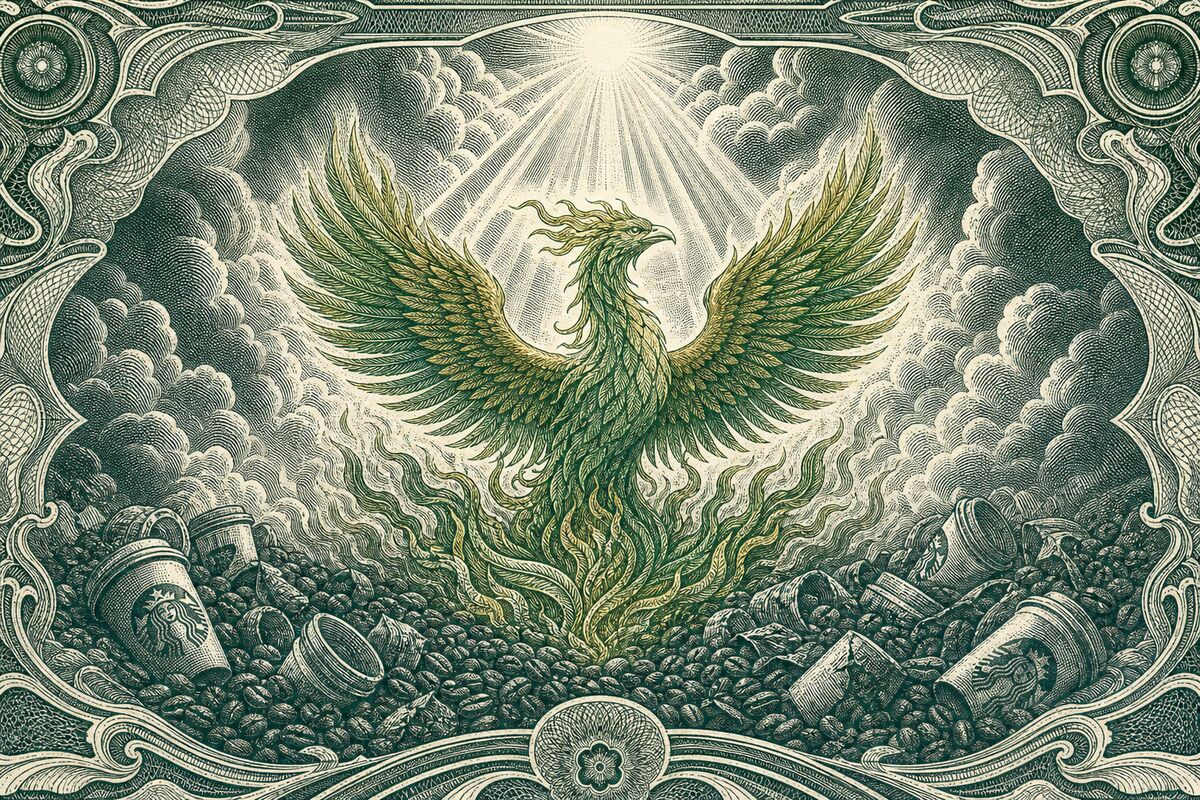
Starbucks is back, and it's not just a catchy tagline; it's a bold declaration from CEO Brian Niccol as he spearheads the company’s ambitious turnaround strategy. In a market often fraught with volatility and uncertainty, particularly with elevated oil prices and looming Federal Reserve rate hikes, Niccol's vision emerges as a beacon for long-term value investors.
Under his leadership, Starbucks (Nasdaq: $SBUX) is shifting its focus towards significant capital investments aimed at enhancing the coffeehouse experience—a move that could signal robust growth potential. This pivot is not merely operational; it reflects a commitment to elevating customer engagement and satisfaction, two critical levers in the competitive landscape of the food and beverage sector.
The Turnaround Strategy
Niccol’s declaration of Starbucks being 'back' comes on the heels of a well-articulated strategy that prioritizes the upgrading of coffeehouses. By investing in the physical and experiential aspects of their stores, Starbucks is poised to reignite customer interest and drive foot traffic. This proactive approach is particularly crucial as consumers navigate an increasingly challenging economic environment, where discretionary spending is under pressure.
Capital Investments and Growth Potential
The implications of this turnaround strategy extend beyond mere aesthetics. Increased capital investment in coffeehouse upgrades suggests a forward-looking growth trajectory. For value investors, this could represent an attractive opportunity. The underlying premise is that during times of economic uncertainty, brands that prioritize customer experience may not only survive but thrive. Starbucks’ emphasis on enhancing the coffeehouse experience could lead to increased customer loyalty and, ultimately, better financial performance.
Navigating Economic Headwinds
However, it’s essential to consider the broader market context. Elevated oil prices and potential Fed rate hikes could pose challenges to consumer spending and, by extension, to the restaurant industry. Investors should remain vigilant about how these macroeconomic factors could impact Starbucks’ recovery and growth plans. The interplay between rising operational costs and consumer behavior will be a critical one to watch as the company implements its strategy.
Conclusion
In summary, CEO Brian Niccol's vision for Starbucks is not just about bouncing back; it's about positioning the company for sustainable growth in a turbulent market. As Starbucks channels capital into enhancing its coffeehouse experiences, the potential for long-term value creation becomes increasingly plausible. Investors who keep a close eye on this evolving narrative may find opportunities amidst the economic challenges ahead.
For more details on Niccol's strategy and Starbucks' road to recovery, visit this CNBC article.