
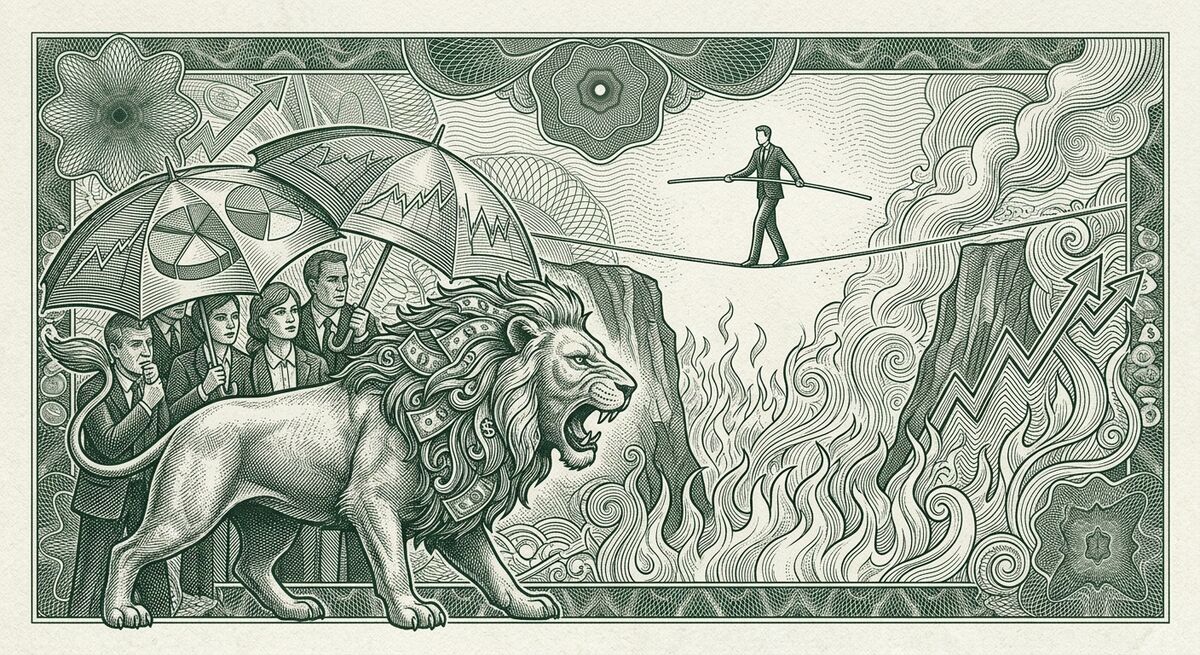
Brace yourselves, investors: inflation may be roaring back with a vengeance. The latest data on Producer Price Index (PPI) reveals a troubling 3.4% surge in headline PPI, marking the highest increase in a year. If you thought the Fed had inflation under control, think again.
The implications of this spike are manifold and could reverberate through the stock market like a thunderclap. A closer look at the numbers shows that the core PPI—a key indicator that strips away volatile food and energy prices—also rose impressively by 0.5%, outpacing forecasts that had pegged it at a more modest 0.3%. This is not just a blip; it’s a signal that the inflationary pressures that the Federal Reserve has been battling may be gaining traction once more.
What This Means for Federal Reserve Policy
As the Federal Reserve continues to navigate the choppy waters of economic recovery, these latest figures could force a recalibration of their interest rate strategy. The Fed has been persistent in its belief that inflation would eventually subside, but a shift in PPI like this could compel them to consider a more hawkish approach. Investors should prepare for the possibility of interest rates being hiked sooner than anticipated, as the Fed aims to rein in an inflation rate that seems to be stubbornly elevated.
Sector Sensitivity to Input Costs
Inflation readings like these have significant implications for sectors sensitive to input costs. Manufacturing and retail are two areas that particularly stand to feel the pinch. For manufacturers, rising input costs can erode margins, especially for those who struggle to pass these costs onto consumers. Retailers, on the other hand, may find themselves in a precarious position, balancing the need to maintain profitability while not alienating price-sensitive consumers.
The challenge is that these sectors are already grappling with supply chain disruptions. If input costs continue to rise, we could see a ripple effect that dampens consumer spending and slows economic growth. Investors should keep a close eye on companies within these sectors, especially those heavily reliant on raw materials.
A Historical Perspective
To put this in context, let’s compare the current PPI figures to historical trends. The 3.4% headline figure is notably higher than January’s 2.9%. This upward trajectory is reminiscent of the inflationary environment we witnessed during the late 1970s and early 1980s, a period characterized by persistent inflation that prompted drastic actions by the Federal Reserve.
While today’s economic landscape differs from that era, the parallels are concerning. If inflation continues to rise, we could find ourselves in a similar predicament where aggressive interest rate hikes become necessary, potentially derailing the recovery that many sectors are just beginning to enjoy.
Conclusion: What Should Investors Do?
In conclusion, the recent surge in PPI serves as a stark reminder that the battle against inflation is far from over. Investors must remain vigilant, reassessing their portfolios in light of these developments. Sectors like manufacturing and retail may face headwinds, while others may find opportunities if they can adapt to the changing economic landscape.
As always, the key is to stay informed and agile. The market is a living organism, and in the face of fluctuating inflation data, a proactive approach will serve investors best.