
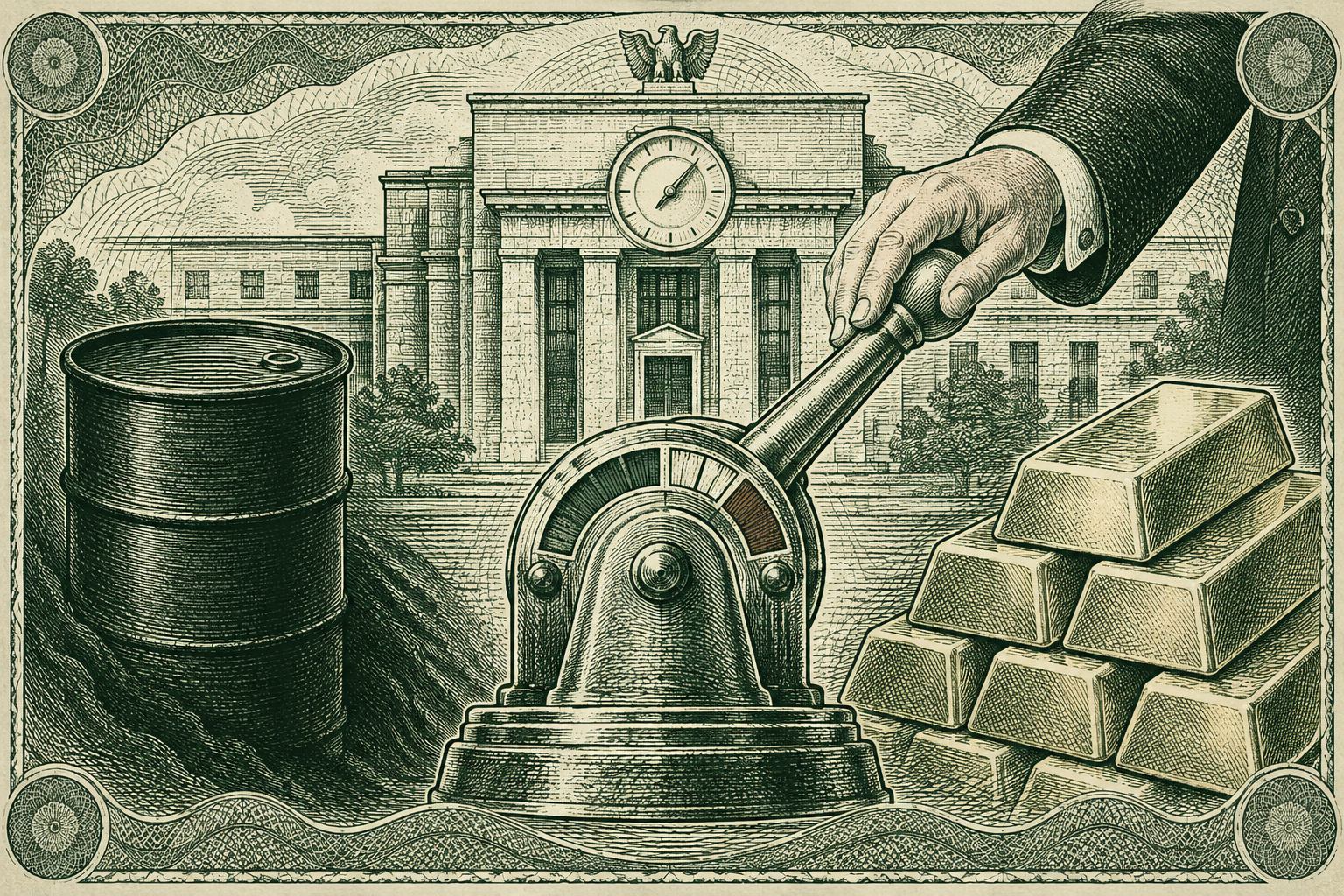
Oil and gold are telling two very different stories about the same geopolitical drama. Crude prices fell after President Donald Trump’s comments about Iran eased immediate concerns over supply disruptions, while gold rose more than 1% as investors focused on the Federal Reserve outlook.
The split is a reminder that commodity markets do not move as one caravan. Oil is reacting to the possibility that Iranian supply flows may face less near-term disruption; gold is drawing support from investors positioning around monetary policy, uncertainty and the defensive role of precious metals.
As the reported market account described it, Trump said the United States would not attack Iran before the November midterm elections. That statement softened the immediate escalation narrative, giving oil traders a reason to mark down the probability of an abrupt supply shock.
Diplomacy lowers one risk, sanctions keep another alive
The apparent easing in crude’s geopolitical premium does not mean the Iran issue has disappeared. The United States also imposed fresh sanctions on Iran’s shadow fleet, preserving pressure on the mechanisms that support Iranian oil shipments. The message to markets is therefore mixed: diplomatic language may reduce fears of a near-term military confrontation, while sanctions indicate that economic pressure remains active.
That tension matters because oil prices are highly sensitive to expectations about barrels reaching the market. If investors judge that talks can limit escalation, supply-disruption fears may recede. If sanctions or negotiations produce a sharper confrontation, those expectations could change quickly. For now, the reported move was lower oil prices—not because the geopolitical risk vanished, but because the market reassessed its immediate intensity.
Gold finds a different signal in the Fed outlook
Gold’s rise of more than 1% points to a separate market conversation. Investors were focused on the Federal Reserve outlook, and that positioning supported the precious metal even as crude weakened. Gold can attract attention when markets are weighing monetary-policy uncertainty, geopolitical risk and the durability of inflation concerns.
The contrast is important for macro-aware investors. Oil is currently behaving like a barometer of anticipated supply disruption. Gold is behaving more like a hedge against uncertainty surrounding the path of interest rates and the broader economic outlook. The two moves suggest that investors are not simply making a single “risk-on” or “risk-off” judgment; they are sorting different risks into different asset classes.
What it may mean for US and Canadian equities
For US and Canadian energy equities, the decline in crude prices may create a less supportive backdrop than a rally driven by supply fears would have. Energy companies and other commodity-sensitive sectors can respond to changes in the underlying commodity narrative, though the assignment provides no company-specific share moves or price targets.
Gold’s advance may keep attention on precious-metals exposure and other defensive themes as investors think about inflation hedges ahead of the November midterm elections. That does not erase the importance of energy exposure: oil remains tied to sanctions, diplomacy and the possibility of renewed escalation. Instead, the market is presenting a divided map, with crude reflecting near-term supply expectations and gold reflecting the Fed outlook and defensive positioning.
The takeaway is less a directional verdict than a warning about crosscurrents. Trump’s pledge not to attack Iran before the elections has eased one immediate fear, while fresh sanctions keep pressure on Iran’s oil network. At the same time, gold’s more-than-1% gain signals that monetary-policy expectations remain powerful enough to move a major safe-haven asset even as oil retreats.
Bull/Bear Verdict
Bull Case: Eased Iran supply fears could reduce the risk of an abrupt energy shock, while gold’s rise of more than 1% suggests continued support for defensive and inflation-sensitive positioning tied to the Federal Reserve outlook.
Bear Case: The oil decline may weigh on US and Canadian energy equities if lower crude prices persist, while fresh sanctions on Iran’s shadow fleet leave open the possibility that supply risks and geopolitical tensions could return.