
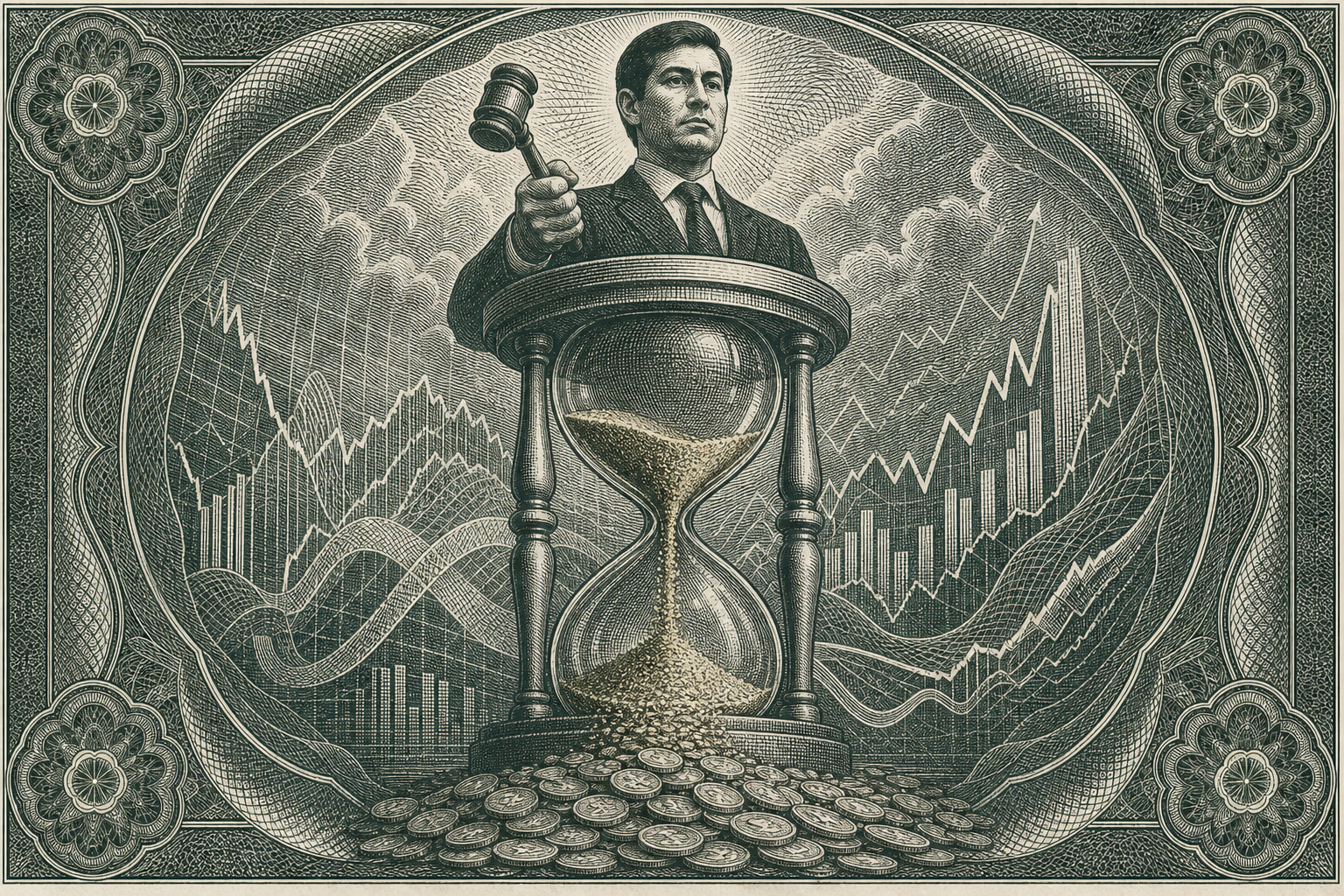
Kevin Warsh's Confirmation and Its Market Implications
The recent confirmation of Kevin Warsh as the new Chair of the Federal Reserve marks a pivotal moment in the U.S. economic landscape. With a Senate vote tally of 54-45, Warsh's ascension comes at a time when inflation concerns are at the forefront of economic discussions. His hawkish reputation may lead to aggressive measures aimed at curbing inflation, significantly influencing market strategies across various sectors.
The Current Economic Landscape
As of now, the federal funds rate is set between 3.5% and 3.75%. This benchmark interest rate plays a crucial role in shaping monetary policy and, by extension, investment behaviors. An elevated funds rate typically signals a tightening of monetary policy, which could mean higher borrowing costs and potentially reduced consumer spending.
Warsh's Hawkish Reputation
Kevin Warsh's past positions indicate a readiness to adopt aggressive measures against inflation. His reputation as a hawk suggests that he may favor actions that could include raising interest rates more quickly than previously anticipated. This approach could have several implications for U.S. markets:
- Increased Borrowing Costs: Higher rates could lead to increased borrowing costs for consumers and businesses alike, which may suppress spending and investment.
- Impact on Defensive Stocks: With inflationary pressures and potentially rising rates, defensive investment strategies might be called into question. Investors typically gravitate towards sectors like utilities and consumer staples during inflationary periods; however, if rates rise significantly, these sectors could face headwinds.
- Market Volatility: The confirmation of Warsh may introduce volatility as markets react to the anticipated changes in monetary policy. Investors may need to reassess their portfolios in light of a potentially more aggressive Fed.
Investment Strategy Considerations
Given the current federal funds rate and Warsh's hawkish stance, investors may need to recalibrate their strategies. Some key considerations might include:
- Evaluate exposure to interest-sensitive sectors, such as real estate and utilities, which may experience declines in valuations with rising rates.
- Consider diversifying portfolios to include assets that historically perform well in rising rate environments, such as financials.
- Monitor inflation indicators closely, as Warsh's actions could lead to rapid changes in economic conditions.
Conclusion
Kevin Warsh's confirmation as the new Fed Chair is a significant development that could reshape the monetary policy landscape amid ongoing inflationary pressures. Investors should remain vigilant and responsive to changes in the economic environment as Warsh may implement aggressive measures aimed at stabilizing inflation. For a deeper dive into Warsh's confirmation and its implications, you can read more here.