
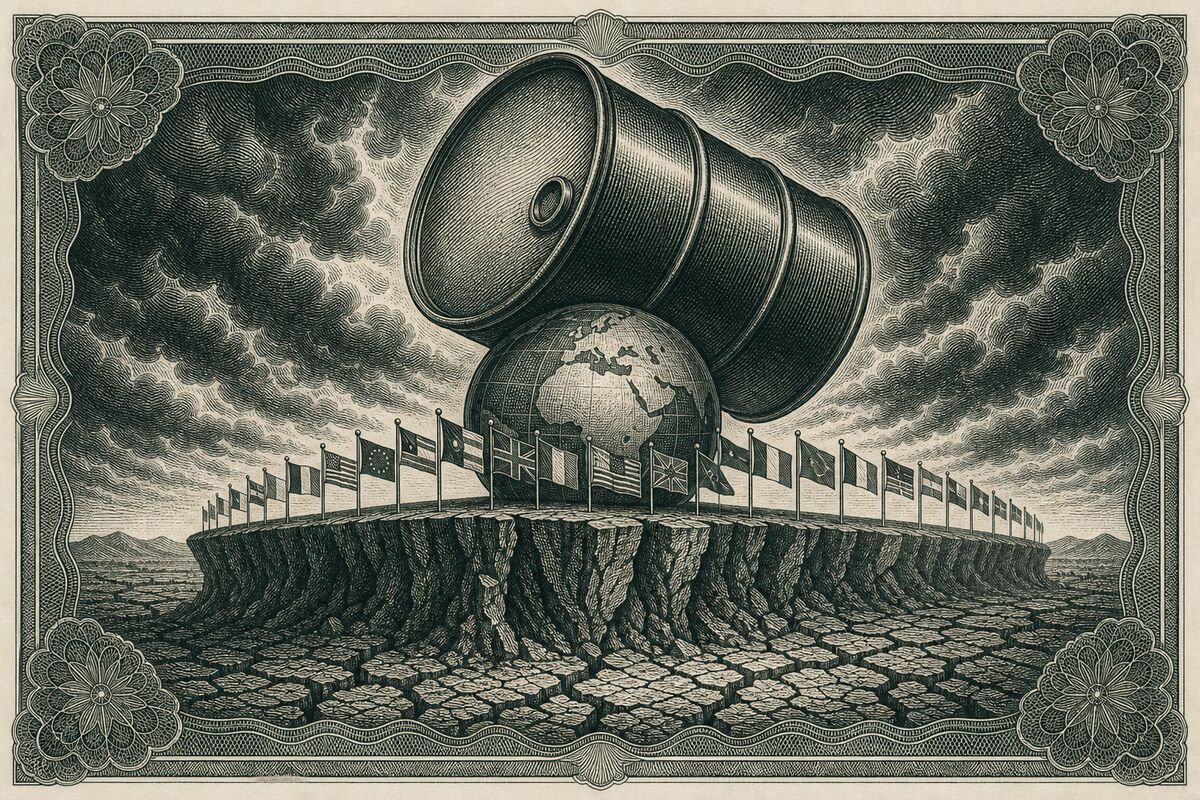
As geopolitical tensions escalate, particularly between the US and Iran, oil prices have recently surged to a four-week high. This increase is largely driven by military exchanges occurring in the strategically critical Strait of Hormuz, a key transit route for global oil shipments. The US has confirmed it has completed a new wave of military strikes in the region, raising concerns about potential disruptions to oil supply.
Investors should note that the Strait of Hormuz is vital for oil transport, with a significant percentage of the world's oil supply passing through this narrow channel. Any military escalation here could lead to heightened risks for oil supply and prices. The market is reacting to these developments, and the implications could be substantial if tensions continue to rise.
On the other hand, while US military actions are impacting the perception of oil supply security, China's recent decline in oil imports adds another layer of complexity to the global supply-demand equation. In June, China's oil imports fell to their lowest levels in nearly a decade, suggesting a potential shift in demand dynamics that may offset some of the upward pressure on prices. This decline could indicate weaker economic activity in China, which may ultimately affect global oil consumption.
Wall Street futures have reflected this uncertainty, showing mixed results as investors grapple with the implications of these geopolitical tensions. The volatility in the oil market may also influence broader market sentiment, as rising oil prices can feed into inflation concerns, impacting consumer spending and overall economic health.
Additionally, gold has seen a recovery from a two-week low, as investors often turn to this safe-haven asset amidst geopolitical risks. The movement in gold prices suggests that market participants are increasingly wary of the potential fallout from the current situation, which could have broader implications for asset allocation strategies.
In conclusion, while oil prices are currently benefiting from heightened geopolitical tensions, the underlying dynamics of supply and demand, particularly with China's declining imports, could temper this bullish sentiment. Investors should remain vigilant and consider how these factors could play out in the coming weeks.
For more insights on these developments, you can read further at this source.