
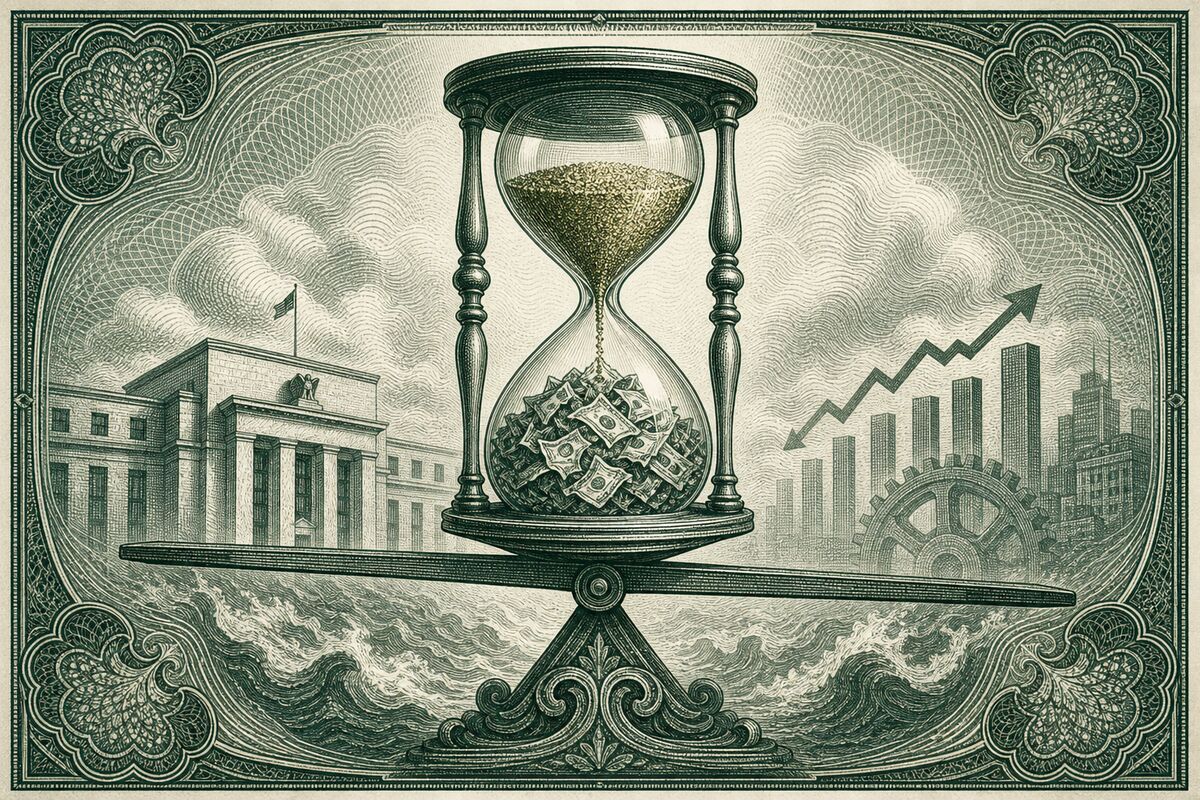
Inflation isn’t merely a number on a chart; it's a stubborn beast that refuses to be tamed. Kansas City Fed President Esther George's recent remarks characterize inflation as 'stubborn' and 'sticky', suggesting that the Federal Reserve is grappling with an economic landscape that continues to challenge monetary policy. As investors, it's crucial to grasp the implications of these assessments, particularly as we approach the pivotal September FOMC meeting.
The Federal Reserve's current benchmark policy rate is held steady between 3.50% and 3.75%. This range has provided a temporary reprieve for markets, yet the Fed's stance indicates that this equilibrium may not last. With inflation metrics not budging significantly, the anticipation of a potential rate hike looms large. The Fed's preferred inflation gauge, the Personal Consumption Expenditures (PCE) index, has shown little change, reinforcing concerns that inflation could prove more persistent than previously expected. For a deeper dive into the PCE's recent performance, you can refer to an analysis on Forbes.
Understanding the Implications of a Potential Rate Hike
The potential for a rate hike at the September meeting is not just a matter of speculation; it carries real implications for equity markets and investment strategies. A rate increase could lead to higher borrowing costs, which often translates to compressed equity multiples. Investors should brace for how sectors that are sensitive to interest rates will react, particularly growth stocks that thrive in low-rate environments.
Moreover, recent analyses suggest that the odds for a Fed decision to raise rates in September are becoming increasingly likely, as inflation data continues to paint a concerning picture. As such, the market may require recalibration in its expectations. Investors must consider how higher interest rates could reshape their strategies and portfolios.
Investment Strategies in a High-Rate Environment
In an environment where rates may climb, certain sectors could come under increased pressure. Financials might benefit from higher rates, while utilities and real estate may struggle as their yields become less attractive compared to rising rates. The key takeaway for investors is to remain agile and responsive to macroeconomic indicators, particularly inflation trends and Fed communications.
In conclusion, as the Fed navigates the complexities of persistent inflation, investors must remain vigilant. Understanding the implications of potential monetary policy shifts will be critical for maintaining a robust investment strategy. The landscape is fraught with uncertainty, but one thing is clear: inflation's stubbornness is a force to be reckoned with.