
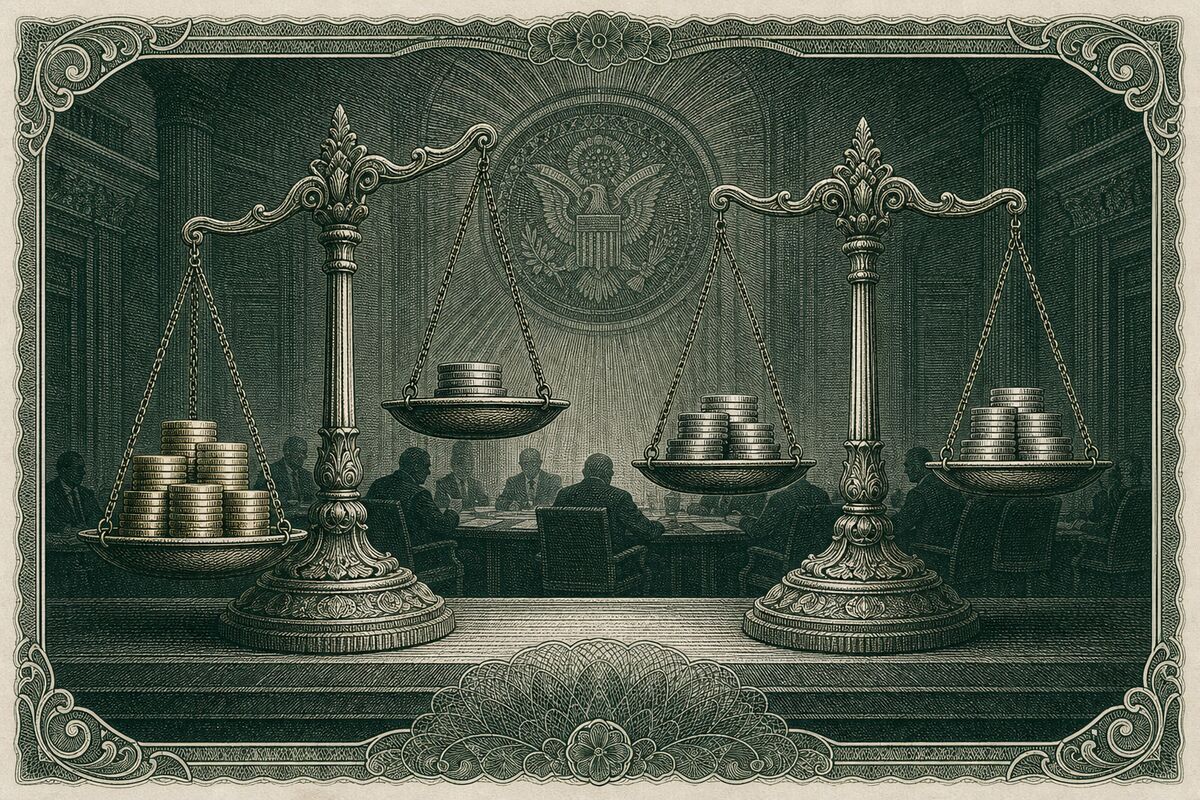
The Federal Reserve's recent decision to hold interest rates steady has unveiled a stark divide among its officials, a split that echoes through the halls of Wall Street and into the portfolios of everyday investors. With a decisive 9-3 vote to maintain rates in the 3.5%-3.75% range, the implications of this fissure are profound. The dissenting opinions, advocating for a rate hike, mark the first significant division since 2016, and they could be a harbinger of what lies ahead for the economy and the markets.
As inflation remains a persistent specter haunting the economy, the Fed’s minutes have hinted at the possibility of rate hikes should inflation fail to cool. This context sets the stage for a nuanced discussion about the potential impacts on various sectors, especially for fixed income, utilities, real estate investment trusts (REITs), and financials. Investors are left to ponder: will the hawkish tone from the dissenters lead to a tightening cycle that could reshape the investment landscape?
The FOMC's Decision: A Reflection of Diverging Views
The Federal Open Market Committee (FOMC) has found itself at a crossroads, where economic indicators and political pressures converge. The 9-3 vote to hold the current rate reflects a cautious approach amid ongoing economic uncertainties. However, the three dissenting votes advocating for a hike signal a growing concern among some officials about the trajectory of inflation and its potential to erode purchasing power.
This division among Fed officials is not merely an academic exercise; it is a reflection of the real-world pressures that may soon affect monetary policy. The minutes from their recent meeting indicate a readiness to adjust rates if inflation data does not show signs of cooling, a move that could tighten credit and alter the flow of capital across markets.
Implications for Key Sectors
For investors, the implications of potential rate hikes are far-reaching. Fixed income securities, particularly bonds, are often the first to feel the pinch of rising rates. As yields increase, bond prices tend to fall, leading to potential losses for bondholders. Moreover, utilities and REITs, which are typically favored for their stable dividends, might become less attractive if investors can find better returns in higher interest rate environments.
Financials, on the other hand, could benefit from a rising rate environment. Banks and lending institutions often see improved margins as interest rates rise, potentially leading to enhanced profitability. Yet, the overall economic landscape remains a crucial factor; if higher rates stifle consumer spending and borrowing, even this sector could face headwinds.
The Political Context: Trump’s Influence
Adding another layer of complexity to the Fed's decision-making is the political context surrounding interest rate policy. Former President Trump has been vocal in his desire for lower rates, arguing that they are essential for stimulating economic growth. His influence, albeit diminished since leaving office, continues to resonate through economic discourse, as the Fed navigates the fine line between political pressures and its mandate to maintain price stability.
As the Fed grapples with these competing pressures, investors must remain vigilant. The political landscape can sway monetary policy in unpredictable ways, and the implications of this could ripple throughout the markets.
Looking Ahead
The current environment is one of cautious optimism mixed with uncertainty. The Fed's split decision underscores the complexities of navigating economic recovery while managing inflationary pressures. For investors, the key takeaway is to stay informed and adaptable, as shifts in monetary policy could present both challenges and opportunities.
While the immediate future may seem clouded with ambiguity, the Fed's willingness to consider rate hikes should inflation trends remain unfavorable suggests that vigilance is crucial. Investors may want to keep a close eye on upcoming economic indicators and Fed communications, as these will likely shape market movements in the months to come.
In conclusion, the recent hawkish split within the Federal Reserve is not just a matter of internal disagreement; it represents a critical juncture that could redefine the investment landscape. As policymakers weigh their options, the impacts on various sectors will become increasingly pronounced, and investors must prepare for a potentially volatile environment ahead.
Source