
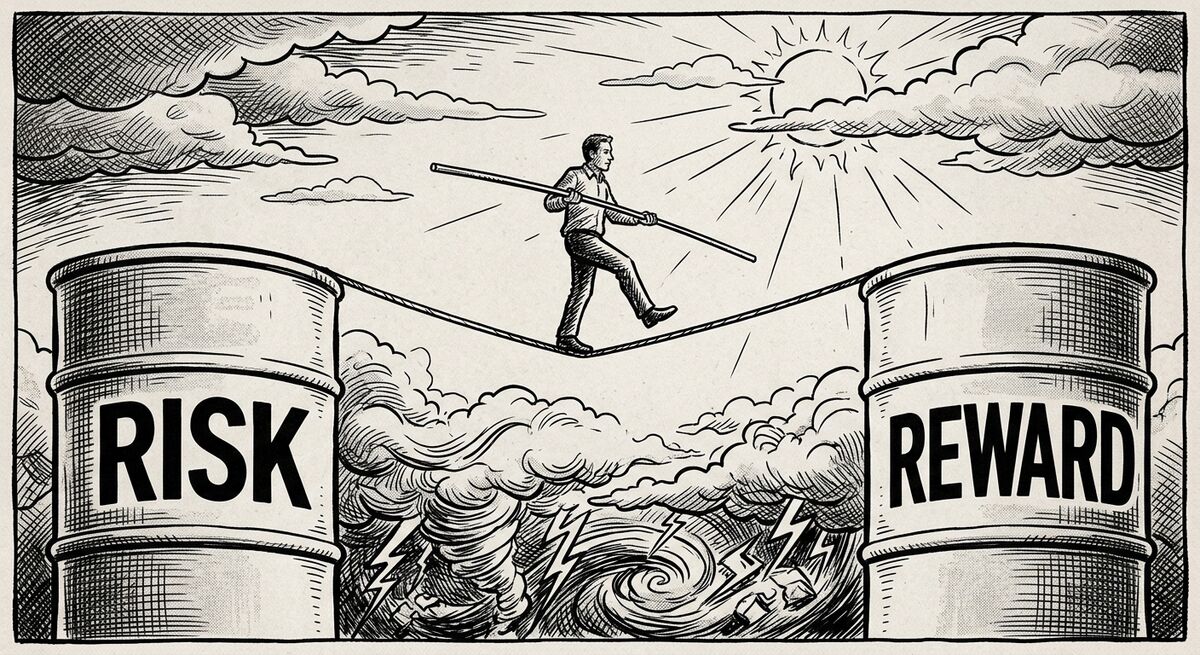
The energy sector is currently in a state of flux, influenced heavily by geopolitical tensions, particularly the ongoing conflict in Iran. This turmoil is not just a foreign affair; it directly impacts the dynamics of the North American markets, shaping investment strategies and risk management approaches.
Impact of the Iran Conflict on Oil Market Outlook
According to the International Energy Agency (IEA), the conflict in Iran has led to significant volatility in oil prices. As tensions rise, global oil supply faces potential disruptions, which in turn affects pricing across North American markets. Traders should keep a close watch on these fluctuations, as they present both risks and opportunities. The IEA's recent reports indicate that any escalation could lead to a spike in crude oil prices, which historically impacts inflation and consumer spending.
Energy Infrastructure and Pipeline Stocks as Defensive Plays
In times of uncertainty, energy infrastructure and pipeline stocks can serve as a defensive strategy for investors. Companies like $ENB (Enbridge Inc.) and $TRP (TC Energy Corporation) in Canada, along with $KMI (Kinder Morgan, Inc.) and $ET (Energy Transfer LP) in the U.S., offer relatively stable dividends and consistent cash flows. These stocks are often less volatile than pure exploration and production companies, making them attractive during periods of geopolitical strife.
- $ENB: Enbridge boasts a strong dividend yield and has a well-established pipeline network, making it a cornerstone in the defensive energy strategy.
- $TRP: TC Energy focuses on natural gas pipelines, which could see increased demand as countries seek alternatives to volatile oil supplies.
- $KMI: Kinder Morgan's extensive U.S. pipeline network positions it well for steady revenue generation, even amidst international disruptions.
- $ET: Energy Transfer's diversified asset base allows it to navigate through turbulent times effectively.
The Weight of the Canadian Energy Sector in the TSX Index
Canada's energy sector holds a significant weighting within the TSX index, making it a critical component for investors. As of recent assessments, energy stocks constitute approximately 15% of the TSX composite index. This concentration means that any shifts in global oil prices, driven by conflicts like the one in Iran, can lead to substantial fluctuations in the TSX's performance. Traders who monitor energy stocks closely can leverage this correlation to inform broader investment strategies.
Challenges Faced by Airlines Due to Jet Fuel Supply Constraints
The airline industry is not immune to the fallout from the Middle East conflict. Jet fuel supply constraints are becoming a pressing issue as geopolitical tensions disrupt supply chains. Airlines such as $DAL (Delta Air Lines, Inc.) and $UAL (United Airlines Holdings, Inc.) are grappling with rising fuel costs, which directly impact their operational margins. Traders should be cautious, as these increases in costs may lead to rising ticket prices, reduced demand, or even operational cutbacks. The ripple effect of these challenges could further stress the aviation sector, making it a critical area of focus for investors.
Conclusion: Balancing Risks and Rewards
In conclusion, the current energy sector turmoil necessitates a strategic approach for U.S. and Canadian investors. The geopolitical landscape, particularly the conflicts in the Middle East, reshapes the energy market, presenting both risks and potential rewards. By focusing on defensive plays within energy infrastructure and being mindful of the significant weight the energy sector carries within the TSX index, traders can better navigate this challenging environment. Furthermore, keeping a close eye on the airline industry's struggles will provide additional context for broader market movements. As we progress through these turbulent times, informed decision-making backed by data will be crucial for successful investing.