
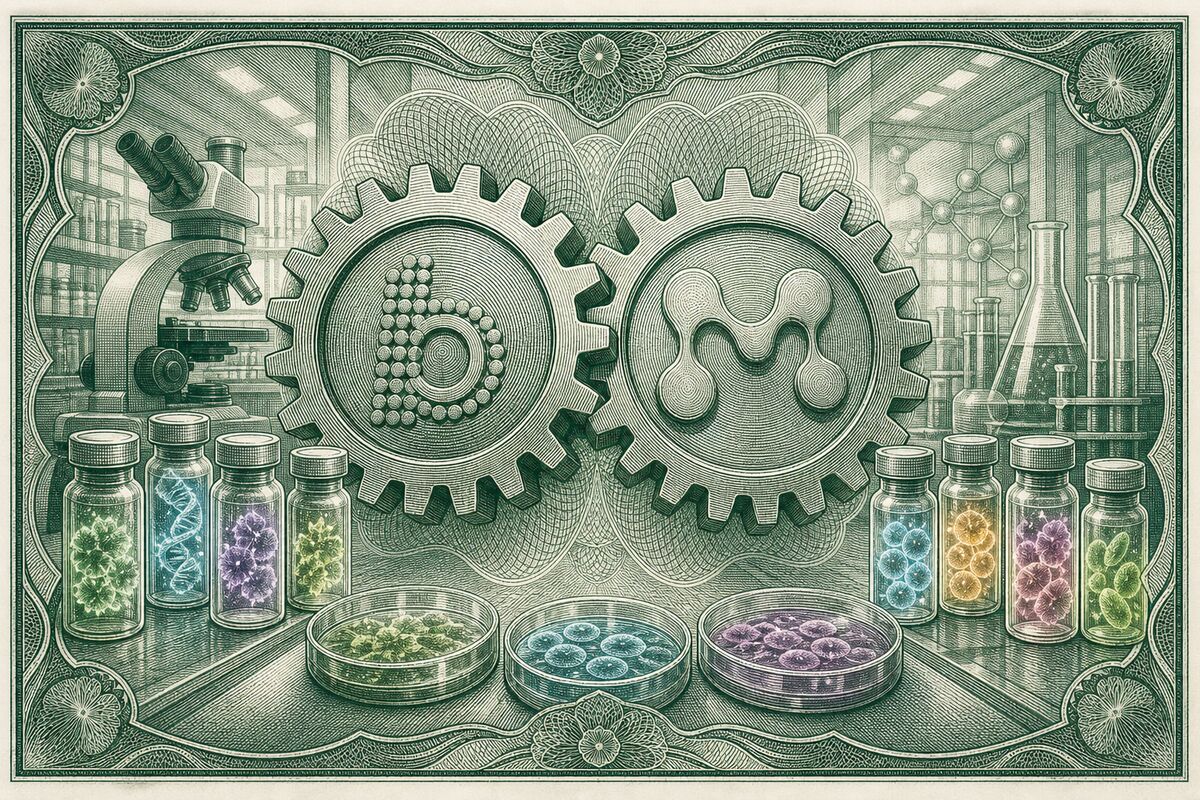
On June 25, 2026, Merck KGaA announced a significant $11.3 billion buyout of Bio-Techne, a move that has sparked considerable interest in the market. Following the announcement, Bio-Techne's stock experienced a notable increase, reflecting both the immediate optimism surrounding the acquisition and the broader trends in the life sciences sector.
This acquisition is indicative of the ongoing merger and acquisition (M&A) activity within the life sciences industry, which has been gaining momentum in recent years. Investors should note that while such deals often signal confidence in the target company’s future prospects, they also come with inherent risks that need to be considered.
The Implications of the Buyout
Merck KGaA's decision to acquire Bio-Techne suggests a strategic move to bolster its portfolio in the life sciences space. Bio-Techne, known for its innovative solutions in the biotechnology sector, provides Merck KGaA with enhanced capabilities and a stronger market position. However, investors should keep in mind that acquisitions can be fraught with complications, including integration challenges and the potential for overvaluation.
Moreover, while the immediate market reaction has been positive, the long-term effects of this acquisition are uncertain. The market often reacts favorably to acquisition announcements, but this enthusiasm may not always translate into sustained performance. Investors should consider the possible volatility that could arise as the integration process unfolds and as the market digests the implications of this buyout.
Market Dynamics and M&A Activity
The life sciences sector has seen a surge in M&A activity, driven by a variety of factors including technological advancements, the need for innovation, and competitive pressures. The acquisition of Bio-Techne by Merck KGaA may further fuel this trend, as other companies look to consolidate their positions and enhance their capabilities. However, it is crucial to recognize that not all M&A deals yield the anticipated benefits.
Investors should remain vigilant about the potential risks associated with the broader market dynamics. While the life sciences sector is poised for growth, economic uncertainties and regulatory challenges could impact the performance of companies involved in M&A activities. As such, a thorough analysis of individual companies and their strategic fit within the market is essential.
Conclusion
In conclusion, the $11.3 billion buyout of Bio-Techne by Merck KGaA has undoubtedly captured the attention of investors, leading to a rise in Bio-Techne's stock. However, it is important for investors to approach this news with a balanced perspective, weighing the potential benefits against the risks inherent in such acquisitions. While the deal reflects a trend of consolidation in the life sciences sector, the path forward remains uncertain, and vigilance is necessary as the market evolves.
For further details on this acquisition, you can read more on Seeking Alpha.