
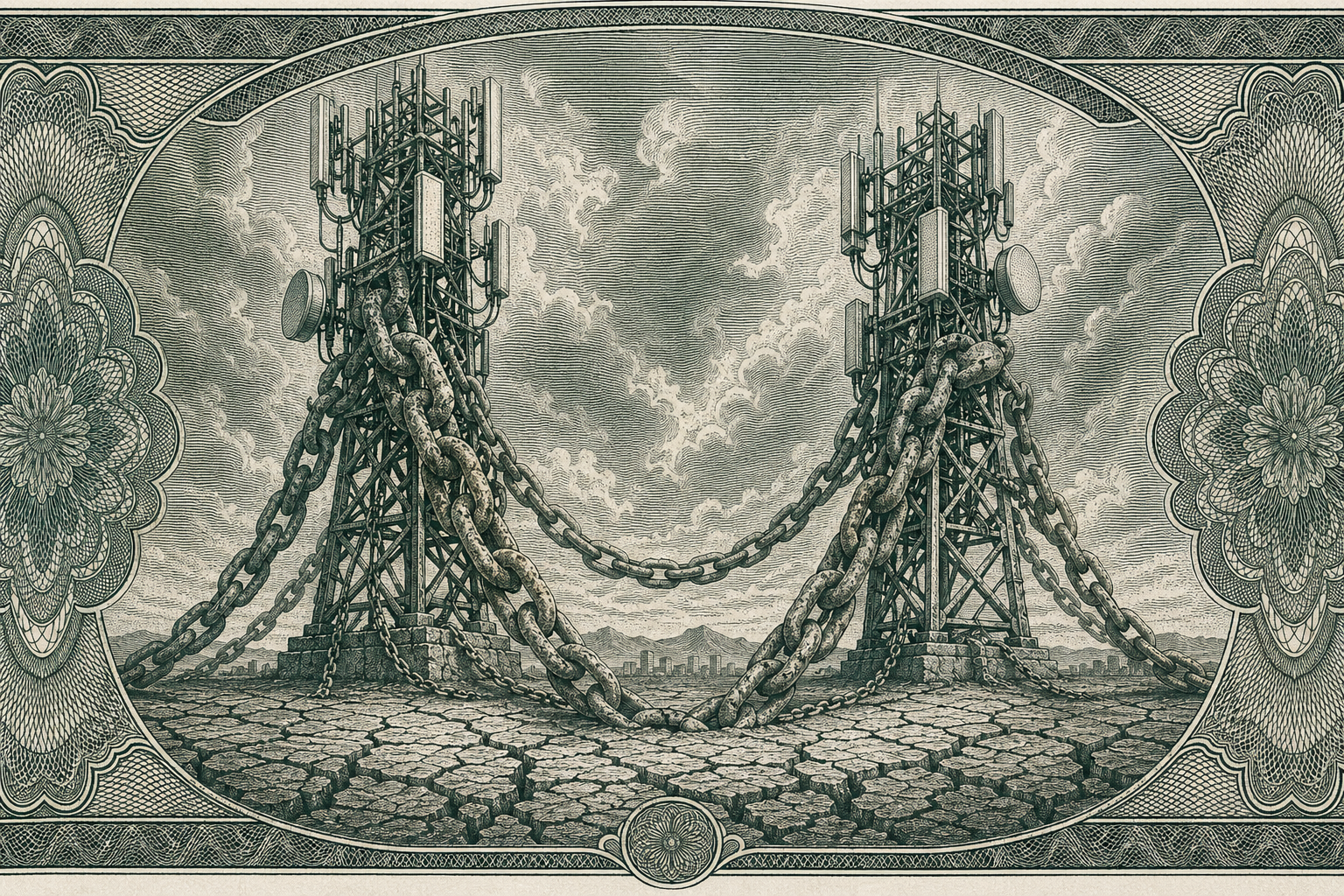
In the Canadian telecom landscape, two giants, $BCE and $T (Telus), are currently navigating stormy financial waters. Both companies have found themselves under considerable pressure, primarily due to mounting debt levels. This has led to significant implications for their dividend policies, which are crucial for income-focused investors.
Dividend Cuts and Financial Strategies
Starting in 2025, $BCE has announced plans to cut its dividend as part of a comprehensive debt reduction strategy. The decision comes in response to its growing debt obligations, which have raised concerns about the sustainability of its dividend payouts. Investors must take note: a company cutting dividends is often a signal of financial distress or a strategic pivot towards prioritizing debt over shareholder returns.
Meanwhile, $T (Telus) is taking a more cautious approach. The company has postponed its plans for dividend increases, citing financial pressures that have emerged as it focuses on stabilizing its balance sheet. This postponement indicates that the telecom can no longer afford to distribute higher dividends while dealing with its existing debt load.
Performance Compared to Market Peers
Both $BCE and $T have underperformed compared to the broader Canadian markets. As of now, the telecommunications sector, traditionally known for its stable dividend payouts, is seeing increased volatility and investor skepticism. The broader Canadian market has shown more resilience, leaving investors to question whether these telecom stocks still belong in a dividend-focused portfolio.
Implications for Investors
For investors, the current state of $BCE and $T raises important considerations regarding dividend sustainability. The cuts and postponements suggest a shift in the operating environment for these telecom giants. Investors may need to reassess their positions in these stocks, especially those relying on consistent dividend income.
Furthermore, with the dividend landscape changing, investors might explore alternative options within the Canadian market that offer more stability and growth potential. Sectors such as technology or renewable energy, which are less impacted by debt pressures, could present more appealing opportunities.
Conclusion
The financial challenges faced by $BCE and $T serve as a reminder of the volatility inherent in the dividend-paying stock landscape. As both companies navigate their debt obligations and adjust their dividend strategies, investors must stay vigilant and consider their options carefully.
Bull/Bear Verdict
Bull Case: If $BCE and $T successfully execute their debt reduction strategies, it could lead to increased financial stability and potential future dividend growth.
Bear Case: The current financial pressures may lead to further dividend cuts or prolonged stagnation in payouts, diminishing their attractiveness to income-focused investors.